A Complete Guide to Different Types of Roofing Shingles
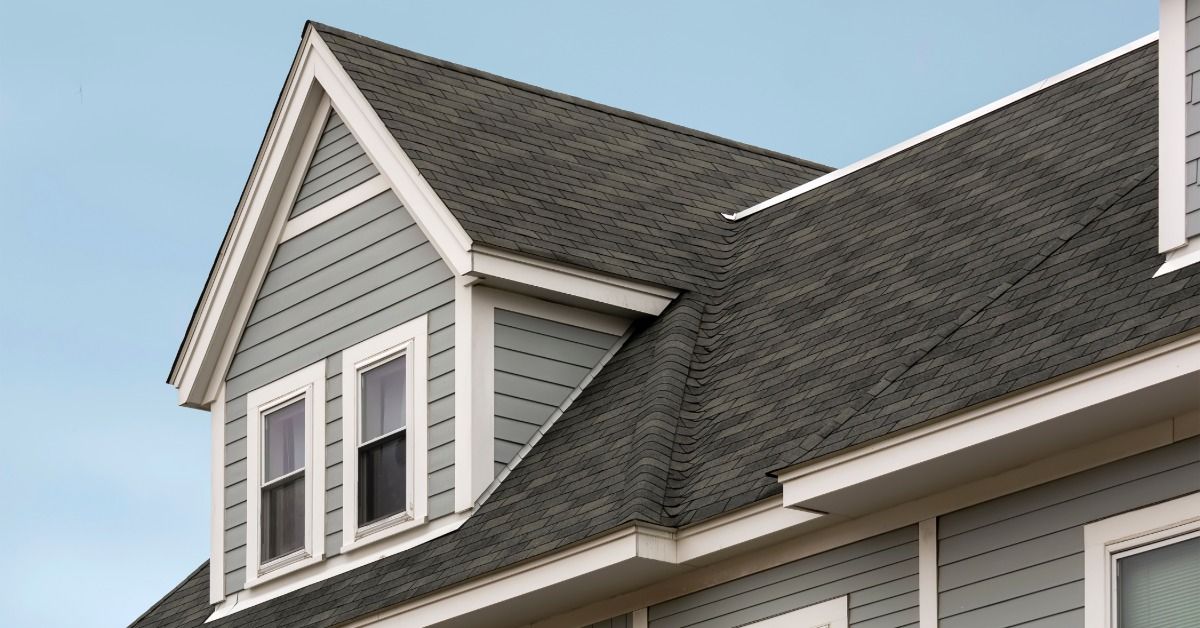
When it comes to roof shingles, you want something that protects your home, looks good from the street, and holds up through years of weather. The right shingles should match your home’s style while still offering reliable durability. Many materials promise similar benefits, which can make the decision harder than expected. You can compare the most common choices and understand how they work with this complete guide to different types of roofing shingles.
Asphalt Shingles
Asphalt shingles are the most common roofing material in the US because they are widely available, relatively affordable, and suitable for many home styles. They use a fiberglass or organic mat base topped with asphalt and mineral granules, which gives them weather protection and a familiar finished look. Homeowners can choose from several asphalt shingle categories, including basic three-tab products and thicker dimensional or luxury options.
The main reasons many people choose asphalt shingles include:
- Lower upfront cost than slate or metal in many cases.
- Wide range of colors and styles.
- Familiar appearance that suits many homes.
- Easier replacement of damaged sections.
- Good balance of value and performance.
Three-Tab Shingles
Three-tab shingles are one of the most traditional types of asphalt roofing shingles. Each shingle strip has cutouts that create the appearance of three evenly spaced tabs across the roof. This gives the roof a flat, uniform look that many homeowners recognize from older homes. Their simple design keeps the material lightweight and straightforward to install.
One of the main benefits of three-tab shingles is their affordability. They usually cost less than thicker asphalt shingles, which makes them appealing for budget-conscious projects. However, they tend to be thinner and may not last as long as architectural or luxury shingles. Strong winds can also affect them more easily because the single-layer design offers less weight and depth.
Architectural Shingles
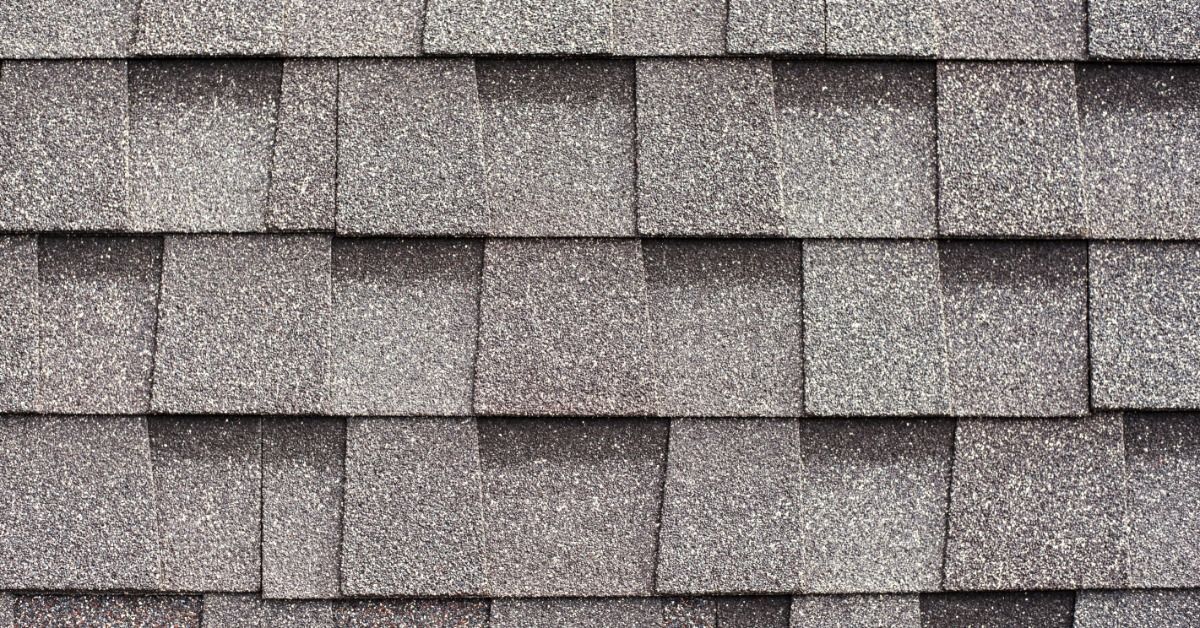
Architectural shingles are a popular upgrade from traditional asphalt shingles. They have a layered construction that creates a thicker, more textured appearance across the roof. That extra dimension gives homes a more finished look compared to the flatter style of three-tab shingles. Many homeowners like them because they combine style and performance into a single roofing material.
One major benefit of architectural shingles is their improved durability. The extra layers add strength, which helps the roof hold up better in wind and rough weather. They come with a higher upfront cost, but they also tend to last longer than basic asphalt shingles.
Extra Dimension Adds Beauty
A roof takes up a large portion of your home’s exterior, so texture and shadow lines significantly affect curb appeal. Architectural shingles give the roof more character without pushing the look too far. They can complement traditional homes, updated exteriors, and many in-between styles.
Luxury Shingles
Luxury shingles sit at the higher end of the asphalt category. They are thicker and more detailed than standard asphalt products, and many mimic the appearance of slate or wood shake. That makes them attractive to homeowners who want a more upscale look without moving fully into natural roofing materials.
Some homes benefit from a roofing material with more visual weight. Luxury shingles can suit larger homes, custom exteriors, and properties where the roof plays a major role in the home’s overall design. They also give homeowners another way to explore asphalt without settling for the most basic version. A knowledgeable roofing contractor can explain which asphalt shingle styles fit your budget, roof structure, and long-term goals before work begins.
Wood Shingles
Wood shingles offer a natural appearance that stands apart from asphalt and metal. Their texture and color variation create a warm, classic look that many people associate with older homes, cottages, and certain historic styles. Cedar is one of the better-known wood roofing materials in this category.
Wood shingles need more upkeep than many other roofing materials. They may require regular inspections, cleaning, and maintenance to help manage issues like moisture, weathering, and debris buildup.
Metal Shingles
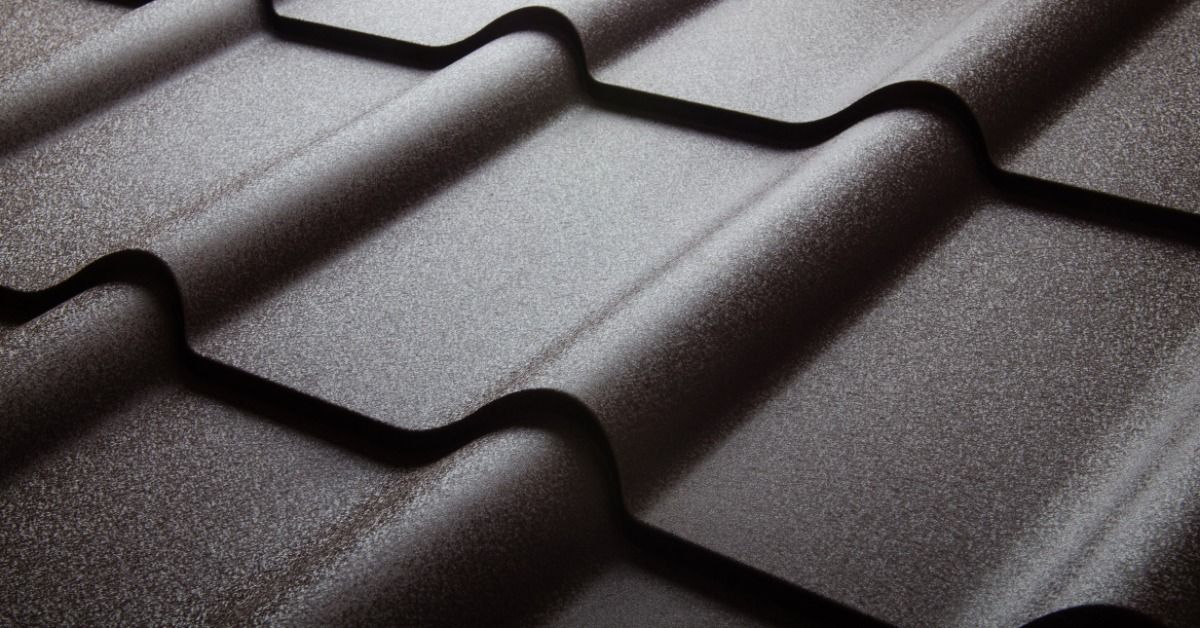
Metal shingles give homeowners a more traditional roof appearance than exposed fastener metal panels. Depending on the style, they can resemble slate, wood shake, or even standard shingles from the ground. That makes them a good fit for people who want the benefits of metal without a more industrial look.
Metal shingles offer these benefits:
- Longer service life than many basic roofing materials.
- Strong resistance to fire and rot.
- Lighter weight than natural slate.
- Styles that mimic traditional roofing.
- Low routine maintenance needs.
Those advantages make metal shingles appealing to homeowners who have the future in mind. They usually cost more upfront than standard asphalt, so the decision depends as much on budget as on preference.
Slate Shingles
Slate shingles have a reputation for longevity, and that reputation comes from a real material advantage. Stone holds up well over time, and slate roofs can remain in place for decades when properly installed and maintained. Their natural appearance also gives homes a classic, high-end character.
Because slate adds substantial weight to a roof, homeowners need to consider whether the home has the structural support required. Consequently, slate is a premium option that offers beauty and longevity but comes with higher costs, greater weight on top of the house, and more complex installation requirements.
Composite Shingles
Composite shingles are roofing materials made from a blend of synthetic components such as plastics, rubber, fiberglass, or recycled materials. Manufacturers create them to mimic the appearance of natural materials like slate, wood shake, or traditional shingles. This gives homeowners the look of premium roofing materials without the added weight or upkeep those materials require.
Many homeowners consider composite shingles because they balance durability with visual flexibility. They are usually lighter than natural slate and tend to resist issues like cracking, rotting, and insect damage. However, the exact performance and lifespan can vary by brand and product quality.
As this guide shows, different types of roofing shingles vary widely in cost, appearance, durability, and upkeep requirements. Asphalt and metal remain two of the most common choices, while materials like slate, wood, and composite serve more specific design or performance goals. If you’re ready to talk through your roofing options, contact Leon Construction today.