Should You Repair or Replace Your Gutters?
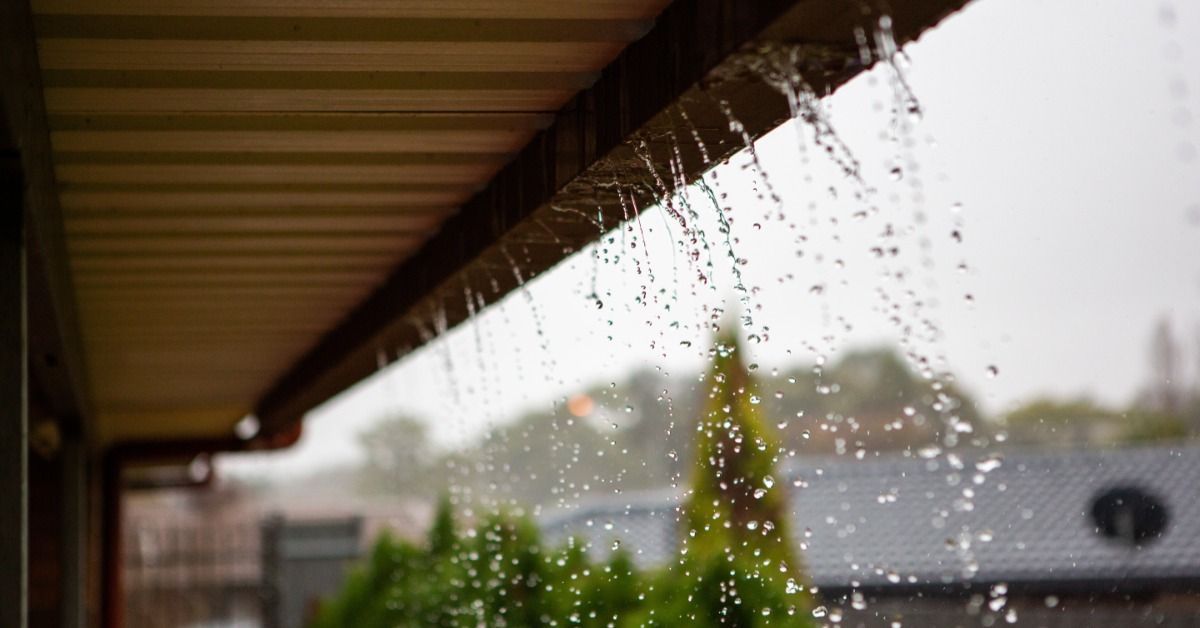
Home maintenance tasks are easy to postpone until something forces you to deal with them. Gutters are a perfect example, since they quietly move rainwater away from your home until they start having problems. When gutters start leaking, sagging, or spilling water over the sides, it’s a good time to ask if you should repair or replace them. Before the next storm, sort out upgrades and repairs so that your drainage can handle the rainwater.
Start With Gutter Age
Every gutter system gradually experiences wear from rain, wind, debris, and seasonal temperature changes. Over time, fasteners loosen, seams weaken, and sections may lose their original shape. When a system reaches the later stages of its lifespan, repairs might only provide short-term relief before new problems appear.
If you’re unsure of your gutter’s age, look for performance patterns. A single repair on a relatively new system usually solves the problem without much concern. However, when multiple sections show signs of aging at the same time, the system may be approaching the point where replacement becomes the more practical solution.
Check Damage Across Sections
A small crack or leak in one section of the gutter may seem like a simple fix, and sometimes it is. But when deciding whether to repair or replace your gutters, the system’s overall condition matters more than any single issue. If damage appears in several areas along the roofline, those scattered problems might point to broader wear.
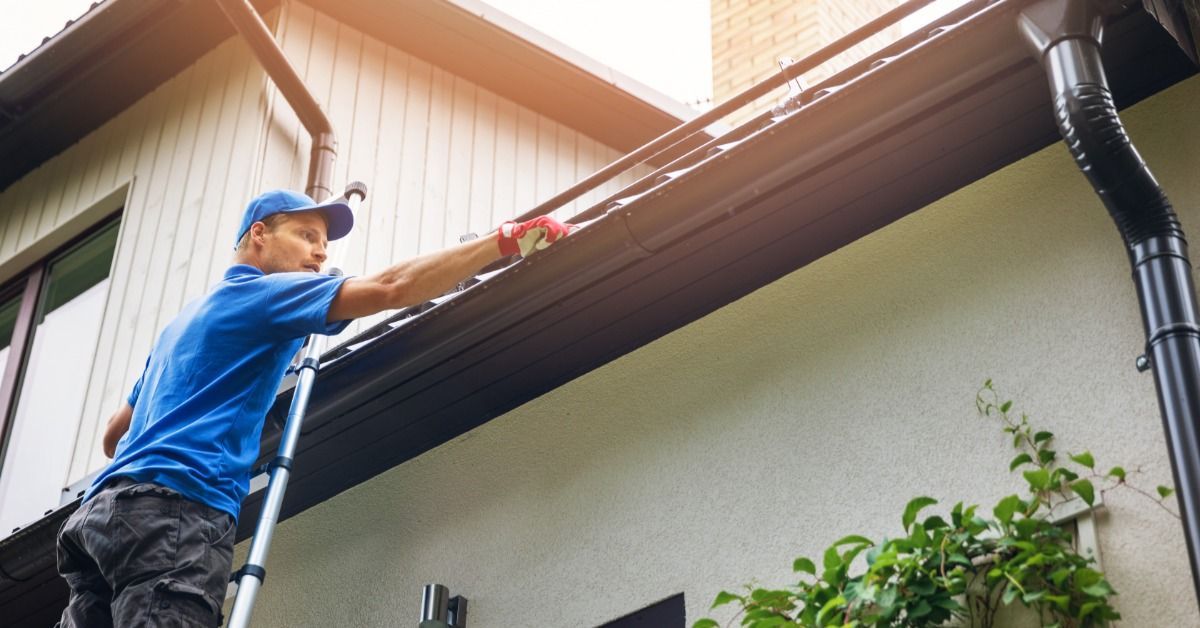
The following issues usually represent minor damage that may still respond well to repair:
- A single loose hanger along one section.
- A small seam leak at a joint connection.
- A short gutter section with a minor dent.
- A downspout connector that has slipped slightly out of place.
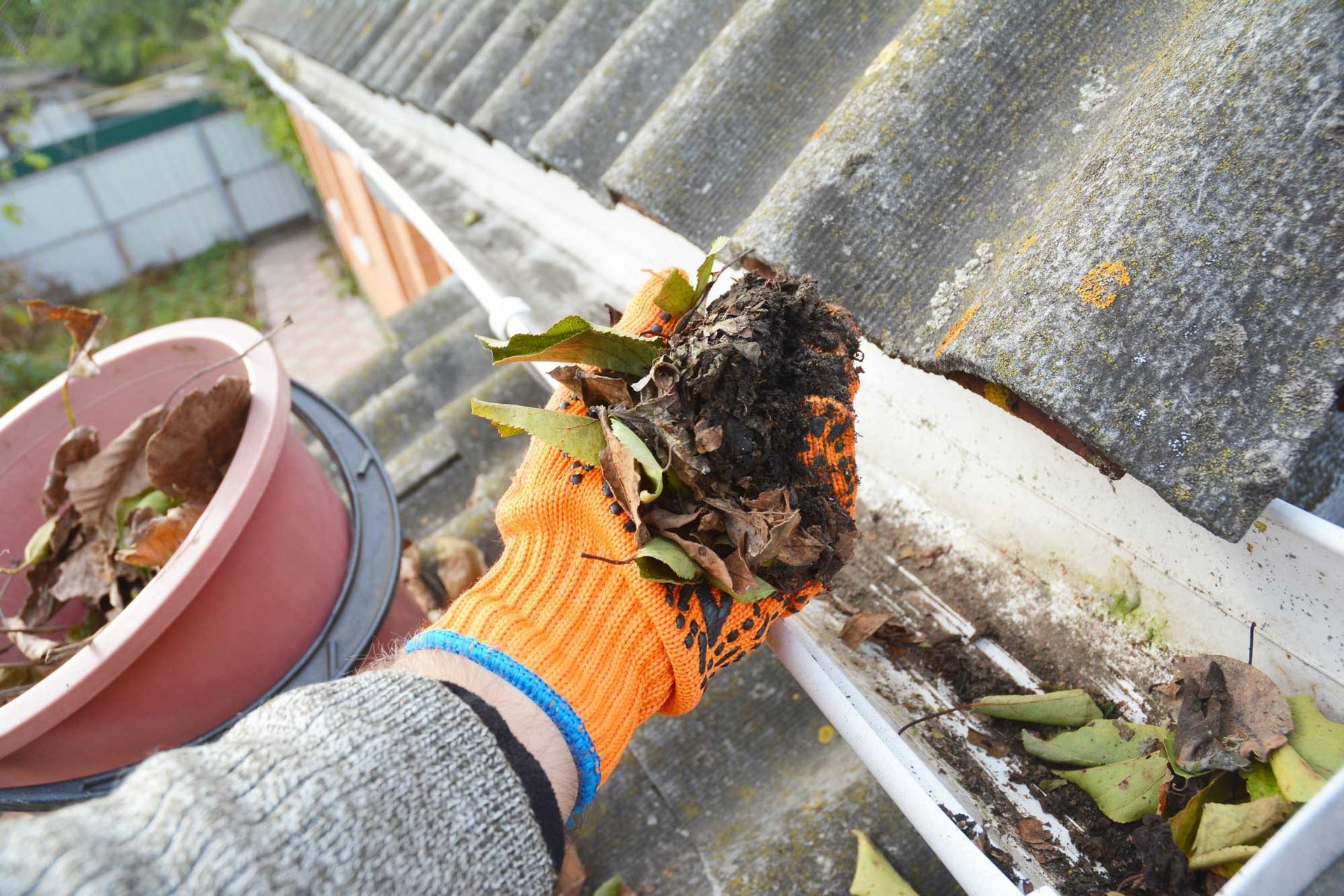
- A localized clog near one downspout opening.
Count How Often Repairs Happen
Occasional gutter repairs are a normal part of home maintenance. However, repeated fixes within a short period may suggest the system is wearing out overall. When repairs become routine every year or two, you may spend more money fixing individual issues than replacing the entire system.
In a healthy system, you typically shouldn’t need repairs more than once every few years, aside from regular cleanouts. If you’re calling for fixes yearly or multiple times in one season, replacement usually makes more sense.
Consider the past couple of years, not just the most recent repair. Additionally, think about the time spent dealing with overflow, clearing clogs, or reattaching sections after storms. A pattern of frequent fixes usually indicates that the gutter system is reaching the end of its practical service life.
Look for Water Damage Signs
Gutters protect areas of the home that are vulnerable to moisture. When the system stops directing water properly, signs of trouble may appear around the exterior of the house. You might notice streaks or stains on siding or damp soil around the foundation. These symptoms suggest that rainwater is not moving away from the home as intended.
Water damage can also show up inside the home. Basement moisture, musty smells, or peeling paint near exterior walls may all be connected to drainage problems outside. If gutters let water spill too close to the home, wood, drywall, and masonry may begin to deteriorate. Timely repairs or replacement can prevent more extensive repairs later.
Compare Repair and Replacement Costs
Cost plays a major role in the repair-versus-replacement decision. At first glance, repairing a gutter system may appear far less expensive than installing new gutters. However, repeated repairs can add up over time, especially when multiple sections require attention. Looking at the long-term cost rather than the immediate expense often provides a clearer picture.
A new gutter system can save money in the following ways:
- Replacing multiple worn sections at once so you stop paying for repeat fixes.
- Removing weak seams and failing connections that keep leaking.
- Improving durability and water flow with newer materials and modern installation methods.
- Correcting slope, spacing, and alignment issues to cut down on ongoing upkeep.
- Reducing overflow-related mess and repair costs by moving water more efficiently.
- Extending the time between major fixes with a longer service window.
Are Gutters Sagging or Loose?
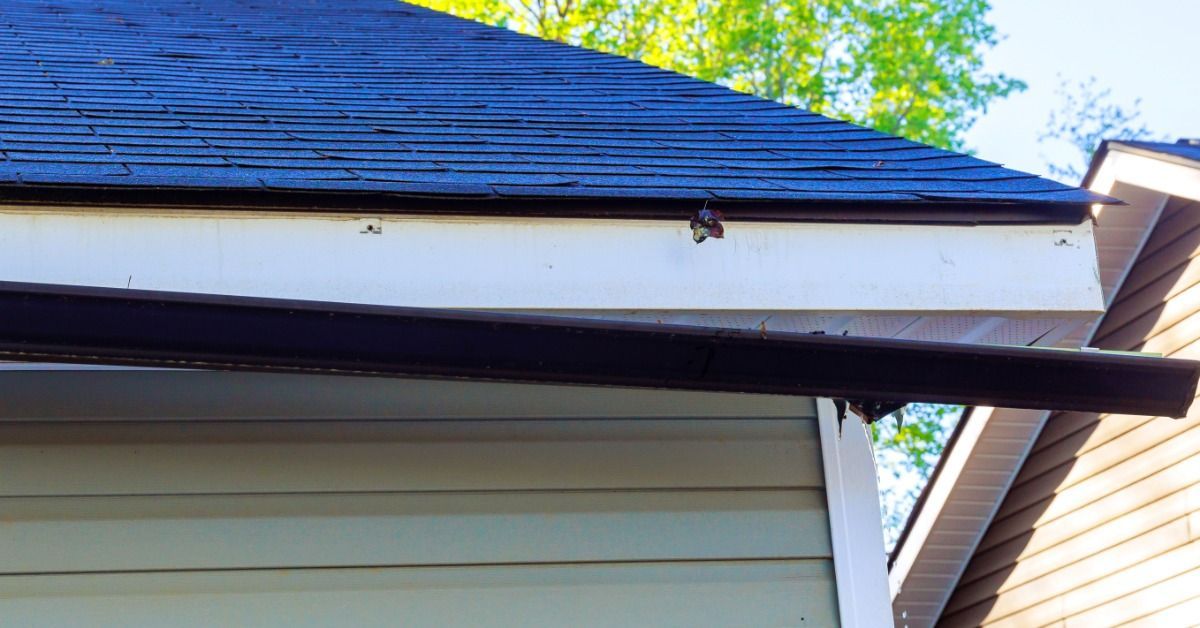
Sagging gutters can create more problems than many homeowners expect. When the slope of a gutter changes, water may pool rather than flow smoothly toward the downspouts. Standing water adds extra weight, which stresses seams and brackets along the roofline. Over time, this extra strain can cause additional leaks or detachments.
When Reattaching Solves the Problem
Loose hangers or brackets can cause sagging even when the gutter itself is still in good shape. If the fascia board feels solid and the gutter sections haven’t bent out of form, tightening fasteners or replacing hardware may bring everything back into alignment. A contractor can also fine-tune hanger spacing or add extra supports where the run needs more stability. However, once a gutter has warped or twisted, hardware repairs usually won’t bring it back to its original shape.
Do Gutters Overflow in Storms?
Properly functioning gutters should capture roof runoff and guide it toward downspouts without spilling over the edges. When water pours over the front or sides, something in the system may be limiting flow. Debris buildup, improper slope, or undersized gutters can all contribute to overflow.
Overflow also increases the risk of soil erosion and foundation moisture around the home. During strong storms, excess water may collect near the base of the house rather than drain away. Repeated saturation can weaken landscaping and affect nearby structures.
Gutter repair and replacement services can pinpoint whether the issue comes from clogs, pitch problems, or an undersized system. If the overflow stops after a thorough cleaning and a quick slope adjustment, repair may be all you need. If the gutters still spill over during average rainfall—or you see overflow in multiple spots—replacing the system may make more sense.
Are Your Gutters Sized Correctly?
Some older homes have gutter systems that were installed before current drainage standards became common. Roof size, pitch, and rainfall intensity all affect how much water gutters must handle. If the existing system struggles during storms, it may simply be too small for the roof it serves. In that case, cleaning and repairs alone may not fully solve the issue.
Upgrading to a higher-capacity system may reduce overflow and improve drainage around the property. Contractors can calculate the appropriate size based on the roof area and slope. Replacing undersized gutters with a properly designed system protects siding, landscaping, and the foundation.
Get a Professional Gutter Check
Homeowners can identify many visible gutter problems, but some issues require a trained eye. A professional inspection examines the slope, fasteners, seams, and the system's overall performance.
Contractors also evaluate how gutters interact with the roof, fascia, and downspouts. That broader perspective reveals whether a repair will solve the issue or if replacement offers better results.
Every home eventually reaches a point where gutters require attention. The system’s age, existing damage, repair frequency, and drainage performance indicate the best solution. Call Leon Construction and let us repair damaged sections or install a new gutter setup for your home’s drainage needs. We’ll help you choose the right materials, gutter size, and layout for smooth water flow.