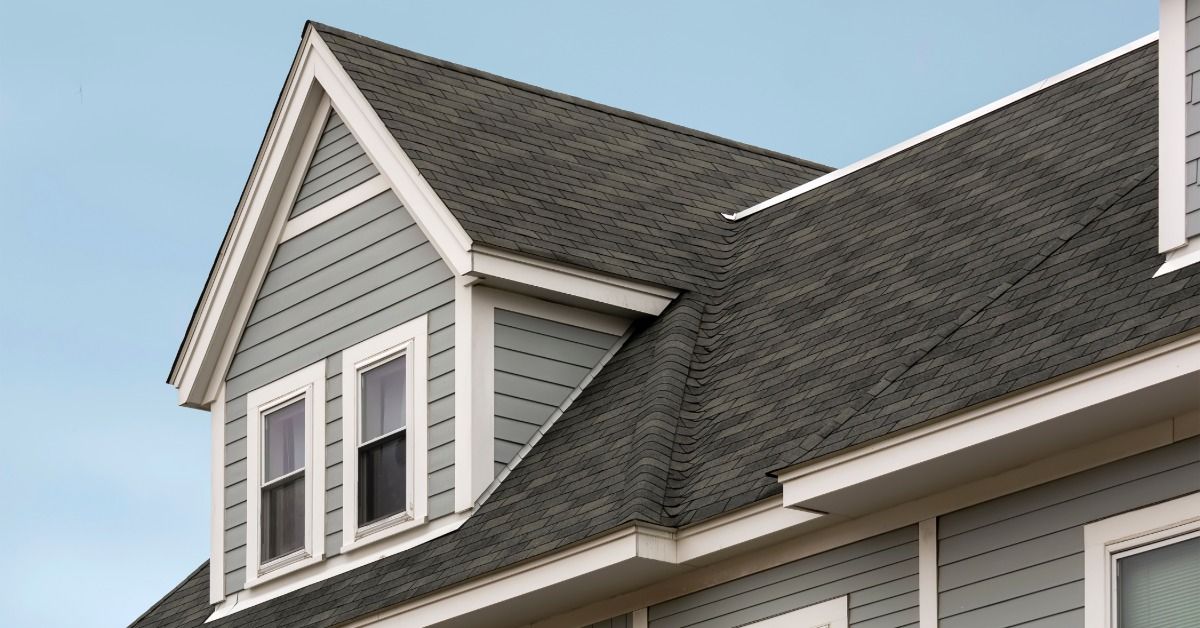
The Ultimate Homeowner’s Guide to K-Style Gutters
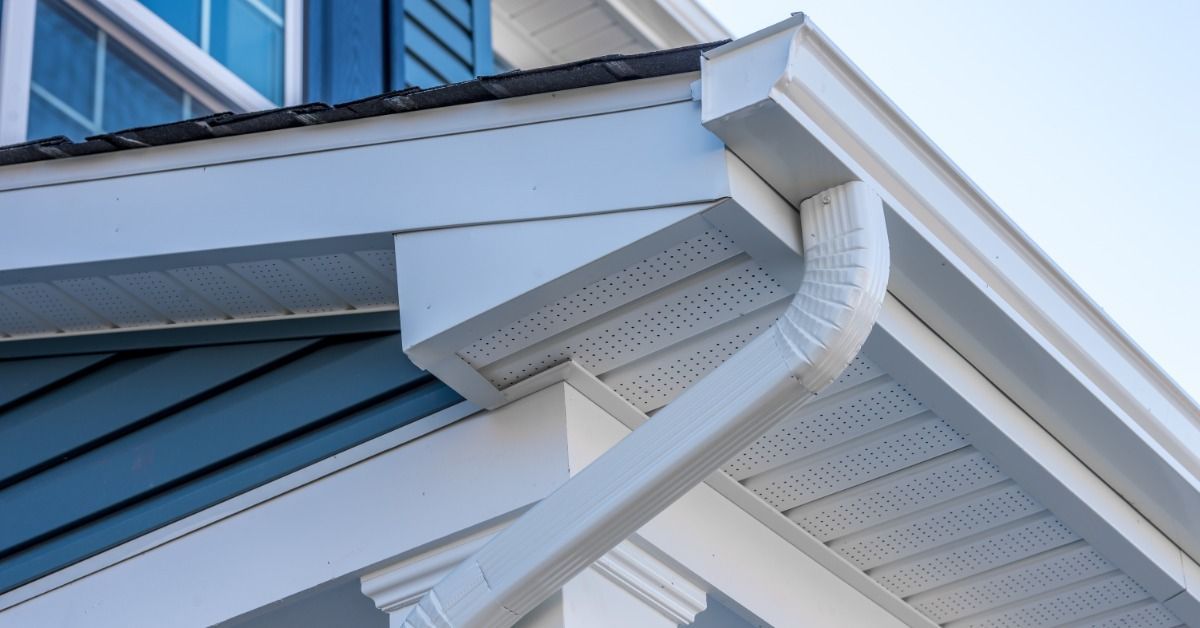
Heavy rain has a way of revealing problems you didn’t know your home had. One downpour can turn a small drainage issue into stained siding, soggy landscaping, and puddles where they shouldn't be. K-style gutters effectively move rainwater away from the house while giving the roofline a clean, finished look. If your home needs better water management, this ultimate guide clarifies why K-style gutters are the most popular choice for homeowners in the US.
What Sets K-Style Gutters Apart
K-style gutters combine a polished appearance with practical performance. Their flat back and angled front give them a more structured look than many other gutter styles, which helps them blend in with a wide range of homes. That shape also lets them sit neatly against the fascia. As a result, many choose these gutters because they look clean and handle runoff well.
Homeowners also like K-style gutters because they strike a balance between style, capacity, and availability. They come in common residential sizes and materials, so they are easy to match to different homes and budgets. In addition, many contractors install them regularly, which makes them a familiar and accessible choice.
K-Style vs Half-Round Gutters
Half-round gutters have a smooth, curved shape that gives them a more traditional look. K-style gutters, by contrast, have a flatter back and a decorative front edge that resembles crown molding. Because of that, K-style gutters complement a wider range of siding, trim, and rooflines. They also hold more water than half-round gutters of the same width, which makes them appealing.
K-Style vs Fascia Gutters
Fascia gutters attach directly along the roof edge, creating a sleek, streamlined appearance. In contrast, K-style gutters have a crown-molding face that gives them a more decorative look. K-style gutters are also more affordable and easier to repair.
Common Sizes and Capacity
Most residential K-style gutters come in five-inch and six-inch sizes, with five-inch systems fitting many standard homes and six-inch systems offering more room for heavier runoff. However, choosing the right size involves more than picking the larger option, since a gutter system should match the way your specific roof sheds water. Roof layout, rainfall, and drainage design all play a role in selecting the right fit.
Roof Size
Larger roofs collect more rainwater, so they usually need gutters with greater capacity. A smaller roof may perform well with a five-inch system, while a larger one may need more room for water flow.
Roof Pitch
A steep roof sends water downward faster than a lower-sloped roof. Because of that, pitch affects how quickly water enters the gutters during heavy rain.
Valley Placement
Roof valleys direct large amounts of water into concentrated areas of the gutter system. Homes with multiple valleys may need larger gutters or carefully planned downspout placement to handle that runoff.
Local Rainfall Levels
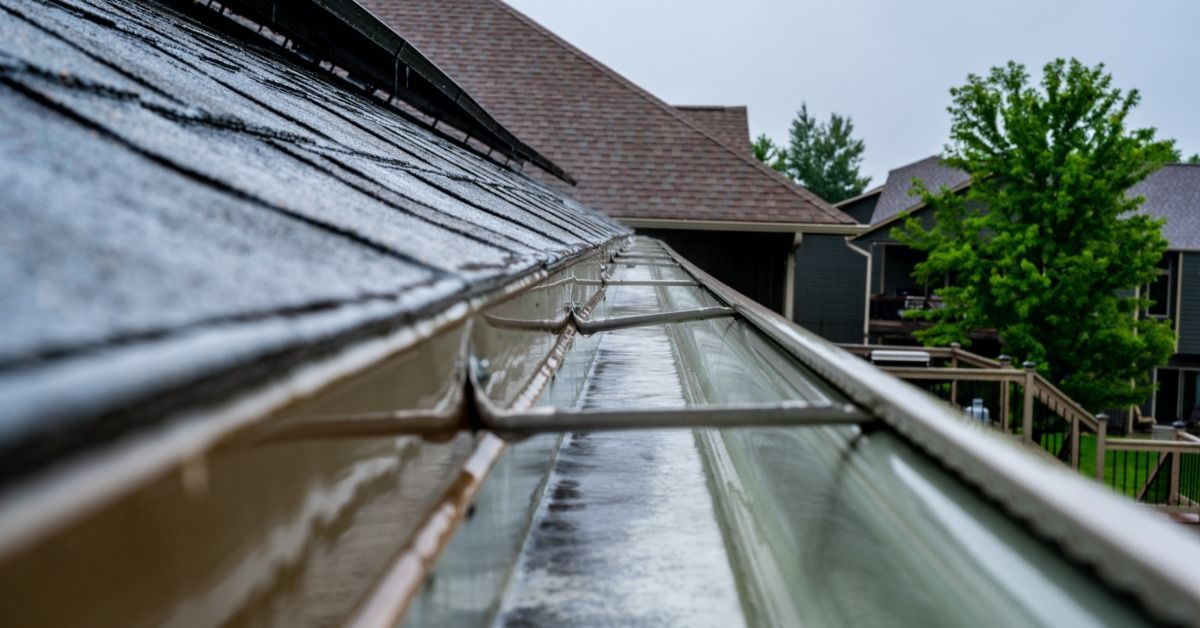
Homes in areas with heavier rainfall need gutters that can manage more water at once. A system that works in one region may not be the best fit in another.
Downspout Count and Placement
Downspouts move water out of the gutter system and away from the home. Their number and placement affect how efficiently the entire system handles runoff. A gutter system with fewer downspouts may need larger gutters to handle water before it reaches each outlet.
Material Options
K-style gutters come in several common materials, and each one brings a different mix of cost, durability, appearance, and upkeep. Some homeowners focus on budget first, while others care more about long-term performance or the way the gutters look on the house.
Aluminum
Aluminum is lightweight and rust-resistant. This popular option is also available in many colors. Aluminum gives homeowners a practical balance of affordability, durability, and curb appeal.
Steel
Steel gutters offer greater strength than aluminum, making them appealing to homeowners who want a tougher material. However, they need the right protective finish and regular upkeep to prevent rust over time.
Copper
Copper gutters have a distinctive appearance and a long lifespan. They cost more than other options, but many homeowners like the way they develop a natural patina as they age.
Vinyl
Vinyl gutters usually cost less upfront, which makes them attractive for tighter budgets. However, temperature swings and aging can make them more likely to crack or warp than metal options.
Comparing Seamless and Sectional Systems
Homeowners usually choose between seamless and sectional gutters when planning a new system or a replacement. Seamless gutters use longer runs with fewer joints along the roofline. Because they have fewer connection points, they usually provide a cleaner appearance and fewer places for leaks or debris problems.
Sectional gutters come in shorter pieces that are joined together during installation. They are usually used for smaller repairs or more budget-conscious projects where replacing only part of the system is the practical choice. A skilled gutter installation contractor can help you compare the two options and choose the one that best fits your home, roofline, and long-term needs.

Maintenance Tips
Even a strong gutter system needs regular care. Leaves, twigs, granules from shingles, and small clogs in downspouts make it harder for water to move freely. A simple cleaning schedule helps you spot and address potential problems.
Do these tasks to keep your gutter system performing well:
- Clear out leaves and debris.
- Check for overflow during storms.
- Inspect joints and corners for leaks.
- Look for loose fasteners or sagging.
- Confirm downspouts move water away from the house.
Gutter Guards: Strengths and Limitations
Gutter guards can reduce debris buildup, but they do not remove maintenance entirely. Small debris may still collect on top, and some material can work its way into parts of the system. In short, gutter guards reduce how often you need to clean the gutters, but they do not make the system maintenance-free.
Choosing the Right System
The right K-style gutter system depends on several details working together. Size, material, seamless versus sectional construction, and downspout placement all shape how well the system handles rain. Your roof’s pitch and layout matter just as much as the gutter profile itself. A smart choice looks beyond appearance and focuses on how the full drainage setup will perform on your specific home.
Homeowners usually get the best results when they compare options with long-term performance in mind. A lower upfront price may look appealing, yet a better fit can save hassle later by reducing repairs and overflow issues. Good gutters should complement the home visually while doing their main job well every time it rains. When those pieces come together, K-style gutters make a strong, dependable option for many properties.
As this guide shows, homeowners enjoy K-style gutters because these systems offer a clean look, practical capacity, and a wide range of material options. As the most popular gutter option, they suit a range of home styles and budgets. Contact Leon Construction to have us install stylish, durable K-style gutters to protect your home.