5 Tips for Choosing a Commercial Roofing Contractor
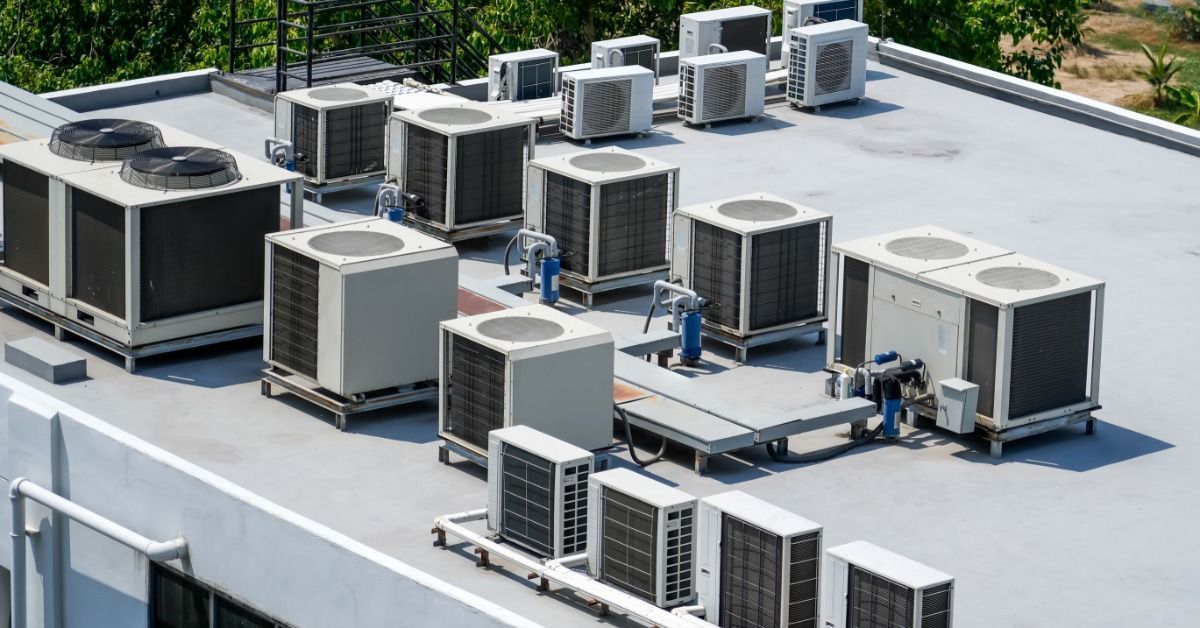
Walk into any warehouse, office complex, or retail center, and you’re standing under a roofing system built for performance, not just appearance. Commercial roofs need drainage systems that move water off wide surfaces before pooling starts. They face constant exposure to natural elements and temperature swings throughout the year. Many also need the strength to support HVAC units, vents, and other rooftop equipment. With these five tips for choosing a commercial roofing contractor, you can find dependable service for your property.
Consider Relevant Experience
Installing, maintaining, and repairing commercial roofs requires different materials and techniques from residential jobs. Compared to residential roofs, commercial roofs cover much larger surface areas and typically feature flat or low-slope designs rather than steep pitches. These systems rely on membranes, insulation layers, and precise sealing to manage water rather than simply shedding it.
Commercial roofs also rely on drainage components such as interior drains and scuppers because water does not run off as quickly as it does on residential roofs. In addition, they must accommodate rooftop equipment and foot traffic, which adds structural and installation challenges.
Roofers with commercial experience understand how to install membranes, handle drainage details, and work around equipment without disrupting performance. They also know how to plan projects around occupied buildings and business operations. That level of familiarity reduces delays and avoids installation issues.
Verify Credentials and Coverage
A contractor’s credentials provide proof that they are qualified to take on roofing work in a professional setting. This can include licensing, registrations, and documentation that shows the business is recognized and allowed to operate legally. Checking these details gives you a clearer sense of whether the contractor takes their work seriously and meets required standards.
Coverage focuses on financial protection during the roofing project. General liability insurance covers accidental damage to property, while workers’ compensation covers the crew if someone gets injured on-site. These policies reduce financial risk for the property owner.
Responsible Companies Put Safety First
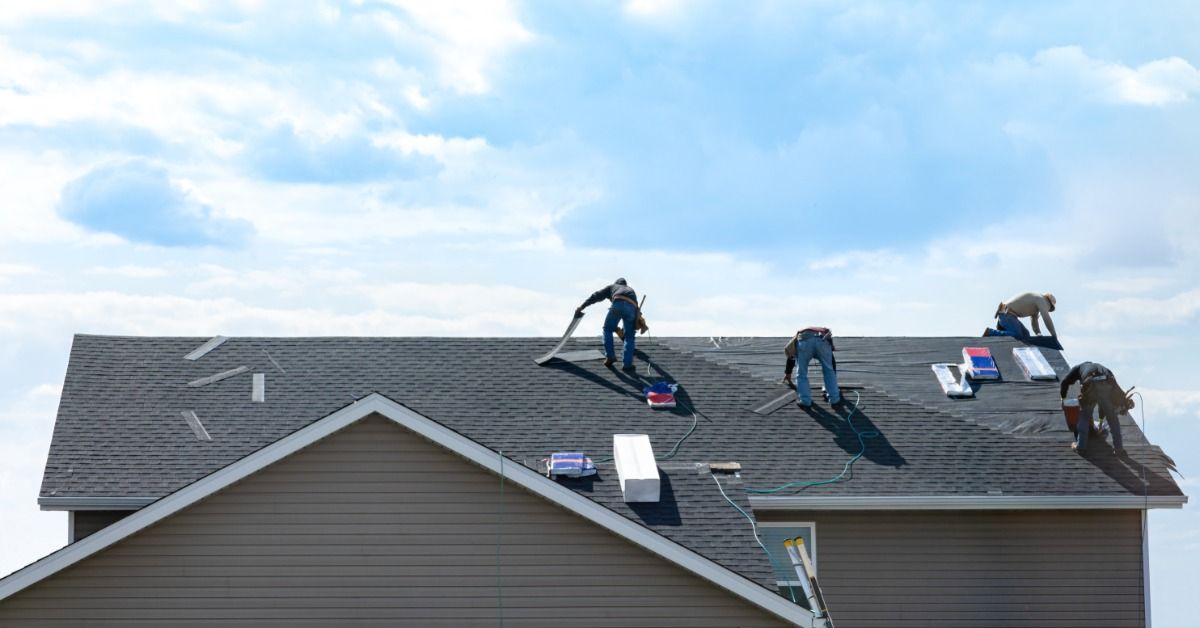
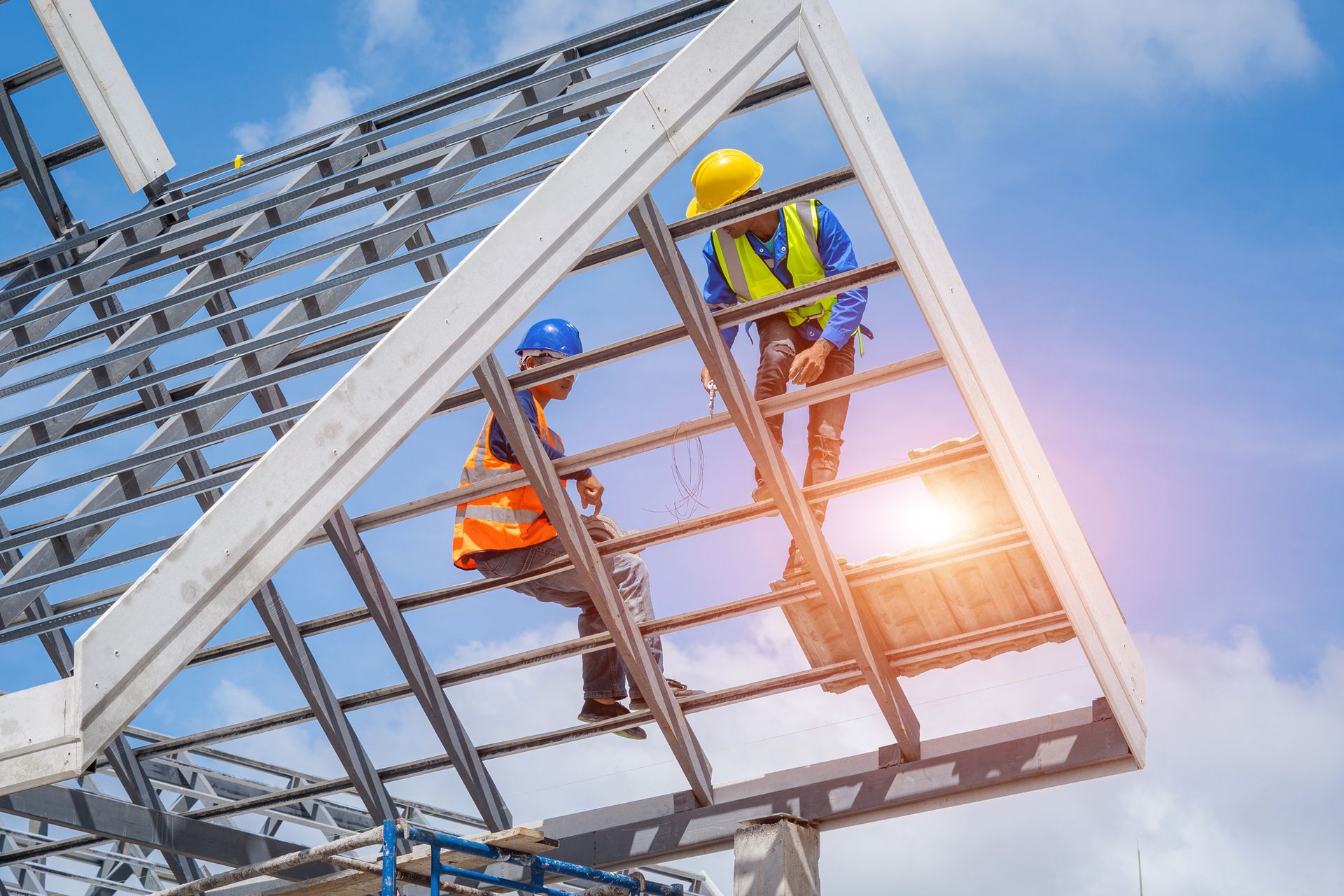
Roofing is risky because crews work at heights and move across sloped or exposed surfaces. A responsible contractor prepares for those conditions with proper safety training, fall protection, and clear job-site procedures. Crews also protect the property by controlling debris and keeping work areas organized. By following proper procedures, roofers prevent accidents and damage.
Compare Bids Carefully
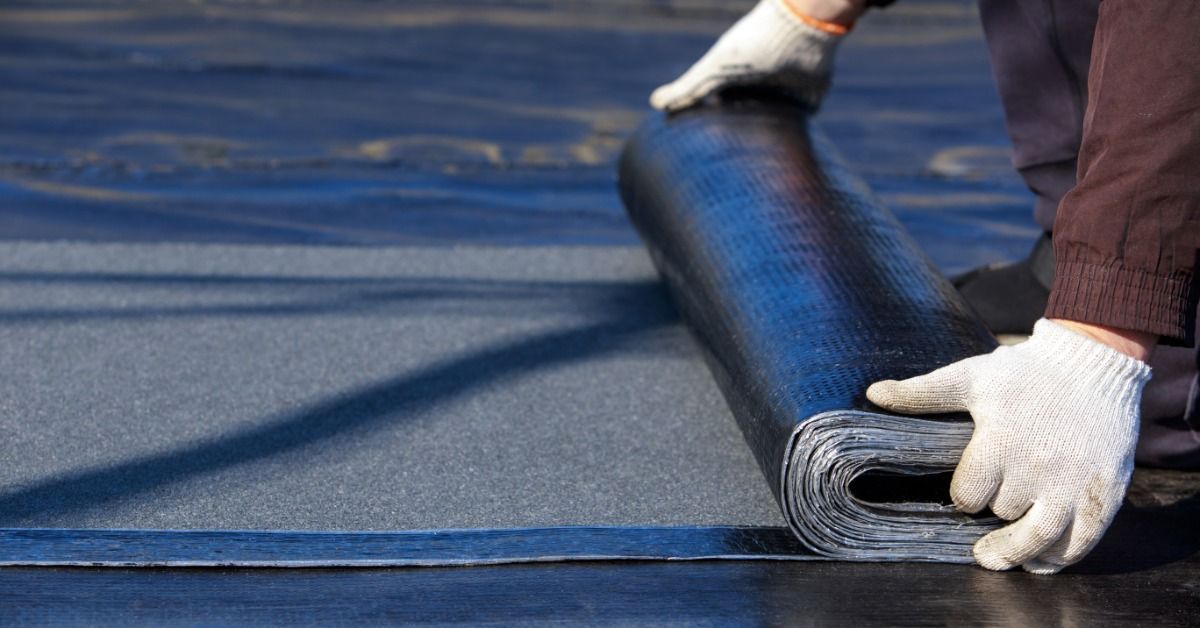
A bid is a contractor’s written estimate outlining the cost of a roofing project, including materials, labor, and expected work. Two bids for the same building can look very different because each contractor may include or exclude certain steps, materials, or services. The cheapest bid is not always the best option because missing details in the scope can lead to added costs or performance issues later. The best commercial roofing services include installation or repairs that support stronger long-term performance.
Tear-Off and Removal
Tear-off involves removing the existing roofing system down to the deck before installing new materials. This process requires labor, equipment, and disposal, all of which increase the project's total cost. Tear-off allows the contractor to inspect the underlying structure for damage that needs repair before installation begins. A bid that includes a full tear-off may cost more upfront, but it provides a more complete and reliable roofing solution.
Insulation and Deck Repairs
Insulation and deck repairs address what sits beneath the roofing membrane and support the entire system. Adding or replacing insulation improves energy efficiency and creates a stable base for the roof installation. Deck repairs may be needed if moisture or age has weakened the structure. These upgrades increase the bid but also improve performance and extend the roof's lifespan.
Flashing and Edge Details
Flashing and edge metal protect the most vulnerable parts of the roof, such as seams, edges, and transitions. These components direct water away from openings and prevent leaks around penetrations and joints. Installing or replacing flashing requires precise measurements, fabrication, and careful installation. A bid that includes these details improves long-term durability and reduces the risk of water damage.
Cleanup and Disposal
Cleanup and disposal cover the removal of old materials, debris, and leftover waste from the jobsite. Commercial roofing projects can generate large amounts of material that must be handled and removed properly. This process includes dumpsters, hauling fees, and labor to keep the site safe and organized during the project.

Ask Insightful Questions
Asking questions can help you choose a prepared and courteous commercial roofing contractor. Clear answers about delays, repairs, and communication give you a better sense of how the company operates once work begins.
Here are some questions worth asking your roofing contractor:
- What roof systems do you recommend for this building, and why?
- Who will manage the project on-site each day?
- How will you document progress and any changes?
- What warranty coverage applies to materials and workmanship?
- What happens if you find hidden damage?
Listen for Specifics
The best contractors give direct answers. After conversations with them, you should understand the materials they’ll use, the project timeline, your point of contact, and how the work will proceed. Slick responses are broad and reassuring without explaining how anything will actually be done.
Read Reviews and Look at Past Work
Online reviews illustrate how a contractor treats their customers. As you read, look for patterns rather than focusing on one or two comments. Pay special attention to feedback on communication, cleanup, and how the company handled unexpected issues.
You should also review the roofer’s past work. Ask for photos of completed commercial projects or examples that match your building type and size. If possible, ask about specific jobs and the challenges that arose during those projects.
Focus on Communication
Roofing projects can directly affect how a business operates. Work may impact parking areas, building entrances, noise levels, and access for employees or customers. Without clear communication, those disruptions can create confusion and delays for everyone involved.
You should expect regular updates on scheduling, progress, and any changes that arise during the job. Having one consistent point of contact makes it easier to ask questions and get useful updates.
Choosing a commercial roofing contractor involves checking their experience, credentials, and the details of their proposal. A reliable roofer will clearly communicate their plans and the project’s progress. Your business’s roof is an important investment, so don’t hesitate to ask questions about the materials, timeline, and what to expect day-to-day. Use these tips to enjoy customer smooth service and a durable roof.