7 Signs You Need To Replace the Flooring in Your House
Floors handle foot traffic, furniture weight, pet nails, spills, dropped items, and all the little messes that come with real life. While signs of light wear can add character, worn-out flooring can become an eyesore. Beyond appearance, worn flooring may cause safety hazards when surfaces crack, shift, or become uneven. If you notice any of these seven signs, you may need to replace the flooring to improve your home’s comfort and beauty.
Visible Surface Damage
Floor scratches, dents, chips, and peeling edges usually stand out right away. A few marks here and there may not be a big deal, especially in a busy household. Still, when damage begins to appear in multiple areas, the issue has likely moved beyond simple cosmetic wear.
A floor that looks worn on the surface may have more serious issues beneath, which can change how it feels when you walk on it. Splintered wood, cracked tile, or torn vinyl can catch on socks, feel rough under bare feet, and make routine cleaning more frustrating. These problems tend to worsen with daily foot traffic and exposure to moisture.
Damage in Several Places
Damage in one corner may come from a single incident, like dragging a heavy couch or dropping something sharp. Damage throughout hallways, kitchens, and living spaces tells a different story. That wider pattern usually points to age, steady wear, or material breakdown over time. At that stage, patching one section may just delay a larger replacement.
Soft or Uneven Spots
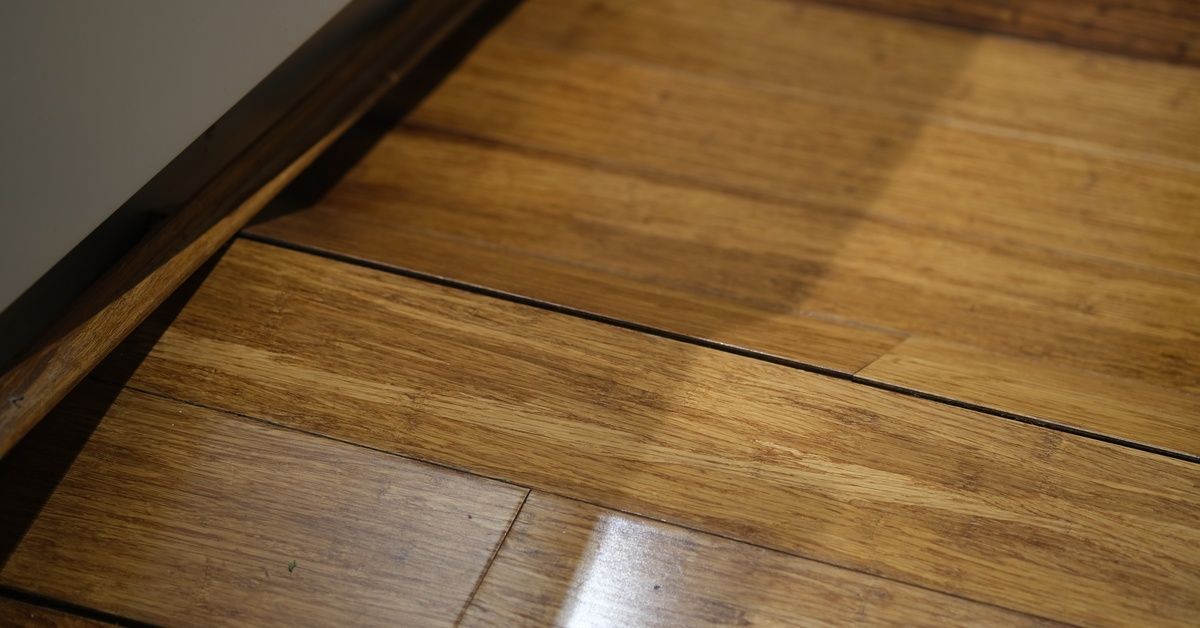
The floor should feel stable when you walk across it. If certain areas feel spongy, dip under pressure, or shift slightly, something underneath may have weakened. That may involve subfloor problems, trapped moisture, old adhesive, or long-term wear.
Kitchens, bathrooms, entryways, and basements are exposed to more water, temperature fluctuations, and dirt tracked in from outside. As a result, flooring materials in these spaces may break down faster than the same products in bedrooms or home offices.
Subfloor Problems
A weakened or damaged subfloor can cause sections of your flooring to feel soft or unstable underfoot. Issues such as rot, structural shifting, or poor installation can prevent the surface from remaining level and secure. As the subfloor loses strength, the flooring above it may flex or develop uneven spots.
Trapped Moisture
Moisture trapped beneath flooring materials can slowly break down both the surface and the layers beneath. This often happens in areas with spills, leaks, or high humidity levels that are not properly managed. Over time, that moisture can cause swelling or warping, which leads to soft or uneven areas when you walk across the floor.
Old Adhesive
The adhesive used to secure flooring can weaken over time, especially with temperature fluctuations and repeated use. When that bond starts to fail, sections of flooring may loosen or shift slightly out of place.
Long-Term Wear
Years of daily foot traffic and pressure can gradually wear down flooring materials and the layers beneath them. Even durable flooring can lose its structure after extended use, especially in high-traffic areas. As the materials break down, the surface may begin to feel uneven or less stable in certain spots.
Stains That Never Leave
Some stains really are permanent. Water marks, dark pet stains, discoloration around seams, and yellowing in older flooring can stay put no matter how carefully you clean. When the finish has worn away or the material has absorbed moisture, regular cleaning will not restore it. In many cases, the floor looks dirty even right after you mop it.
Persistent staining also changes the whole look of a room. Clean furniture, fresh paint, and updated decor cannot do much when the floor still looks dull and blotchy.
These flooring stains may persist despite your best cleaning efforts:
- Dark spots that return after cleaning.
- Water rings near appliances or windows.
- Pet stains that leave odor behind.
- Faded paths in high-traffic areas.
- Yellowed or discolored sections near sunlight or moisture.
Worsening Noises
Floors naturally make some sound, but new creaks, clicks, or hollow spots deserve attention. Wood and laminate may shift as fasteners loosen or boards wear down. Tile may sound hollow if the bond beneath it has failed. Vinyl plank can start making more noise when the underlayment or subfloor is no longer in good shape.
Noise also becomes more noticeable when the flooring loses its solid feel. A room that once felt quiet and sturdy may start sounding loose with every step. In those cases, replacing the flooring can make the room feel firmer, quieter, and more stable again.
Outdated Appearance
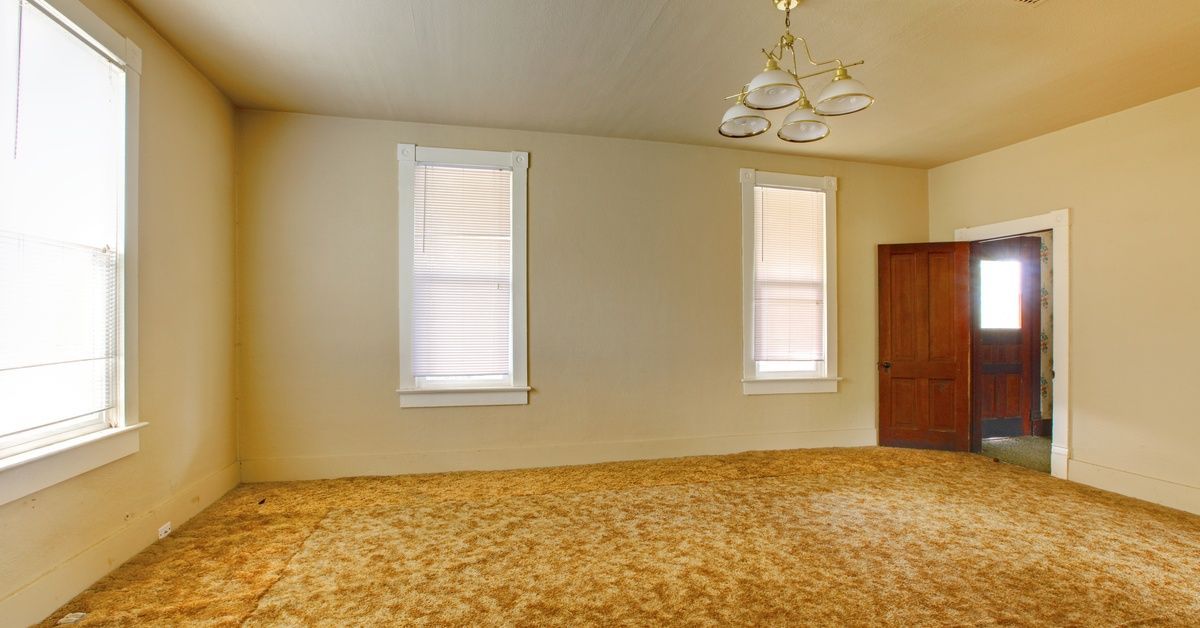
Sometimes a floor still functions, but it drags down the entire space. Heavy wear, dated colors, mismatched patches, and old materials can make a home feel older than it really is. Flooring covers so much square footage that it shapes the look of everything around it.
When homeowners update cabinets, paint, trim, or lighting, worn flooring may stand out even more. In that situation, working with a home remodeling contractor can help you understand flooring options that suit your home’s style. Replacing the floor is one of the most effective ways to breathe new life into any space.
Repairs Keep Piling Up
One floor repair may be reasonable, but a second or third repair in the same room starts to tell a different story. If you keep replacing cracked tiles, reattaching loose planks, filling gaps, or trying to hide worn spots with rugs, you may be spending money without solving the real issue. Eventually, those small fixes add up in cost and frustration.
There is also the visual problem of repeated patch jobs. Repaired areas may not match the original floor due to fading, discontinued products, or wear patterns elsewhere in the room. Therefore, even a technically successful repair can leave the floor looking pieced together. Replacement gives a cleaner result and a more consistent finish.
Water Damage Appears
Water damage is a clear indicator that you should replace the flooring in your house. Even if the area dries, the floor's shape and strength may not fully recover. Some damage shows up right away, while others appear slowly over time.
The following issues indicate water damage has moved beyond a small cleanup issue:
- Planks that lift at the edges.
- Boards that look swollen or cupped.
- Tile sections that loosen after leaks.
- Musty smells near the floor.
- Bubbling or peeling in sheet flooring.
Flooring replacement is not just about making a home look nicer. It is also about making the space safer and more comfortable to live in. You don’t have to live with persistent stains, uneven spots, recurring repairs, moisture damage, or trapped odors. Contact Leon Construction and let us install new flooring that refreshes your home.