How Different Types of Weather Affect Your Roof’s Lifespan
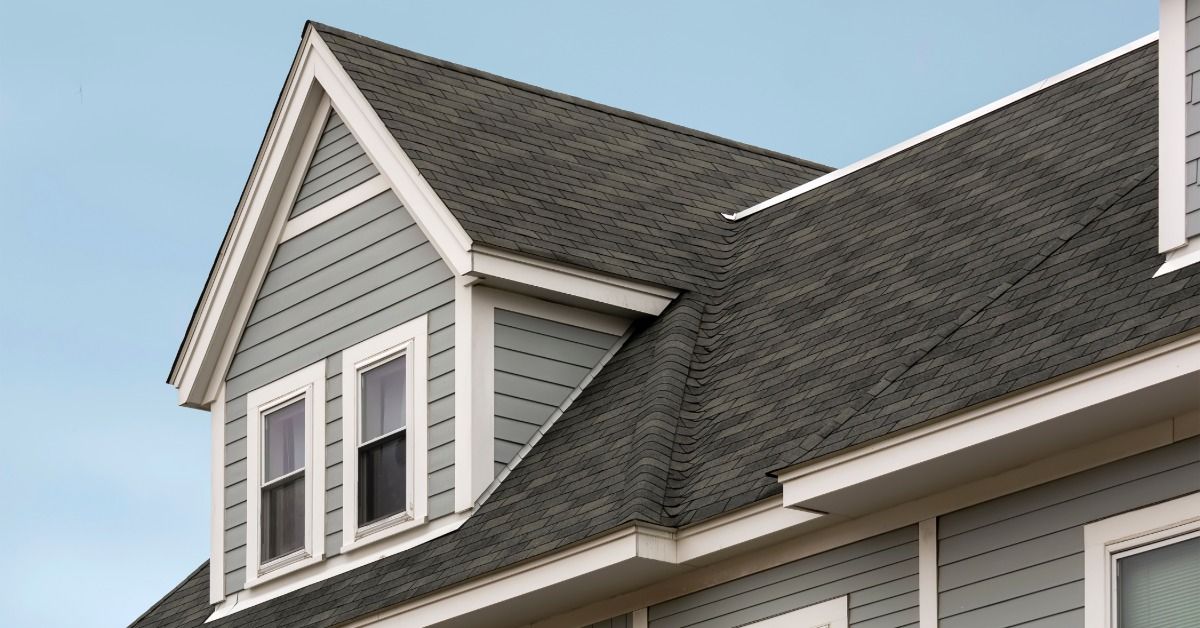
Roofs face a steady mix of environmental stress, including intense sun, heavy rain, strong winds, snow, ice, and changing temperatures throughout the year. Different types of weather affect your roof’s lifespan in unique ways, and that wear can show up immediately after the event or much later. Seasonal checkups catch gradual damage before it worsens, while inspections after major storms or high-wind events may reveal specific issues, such as lifted shingles, damaged flashing, or impact marks.
Sun and Heat
Bright, dry weather seems harmless compared with a windstorm, yet long stretches of sun still wear down a roof. Ultraviolet rays gradually age many roofing materials, and heat buildup in the attic adds more stress to shingles and roof decking. The heat and UV rays slowly dry out the roofing, and the shingles lose their flexibility.
Hot days also cause roofing materials to expand, and cooler nights cause them to contract. That steady movement may weaken shingles, flashing, and sealants over time. As a result, a roof that looks fine from the street may age faster when trapped heat stays in the attic day after day.
Attic Airflow Reduces Roof Stress
A cooler, balanced attic supports the entire roofing system. Good ventilation reduces heat and moisture, protecting roof components above and below the shingles. It also lowers condensation during seasonal temperature swings. These benefits make airflow an important part of long-term roof care, especially in homes with strong summer sun and humid conditions.
Heavy Rain Problems
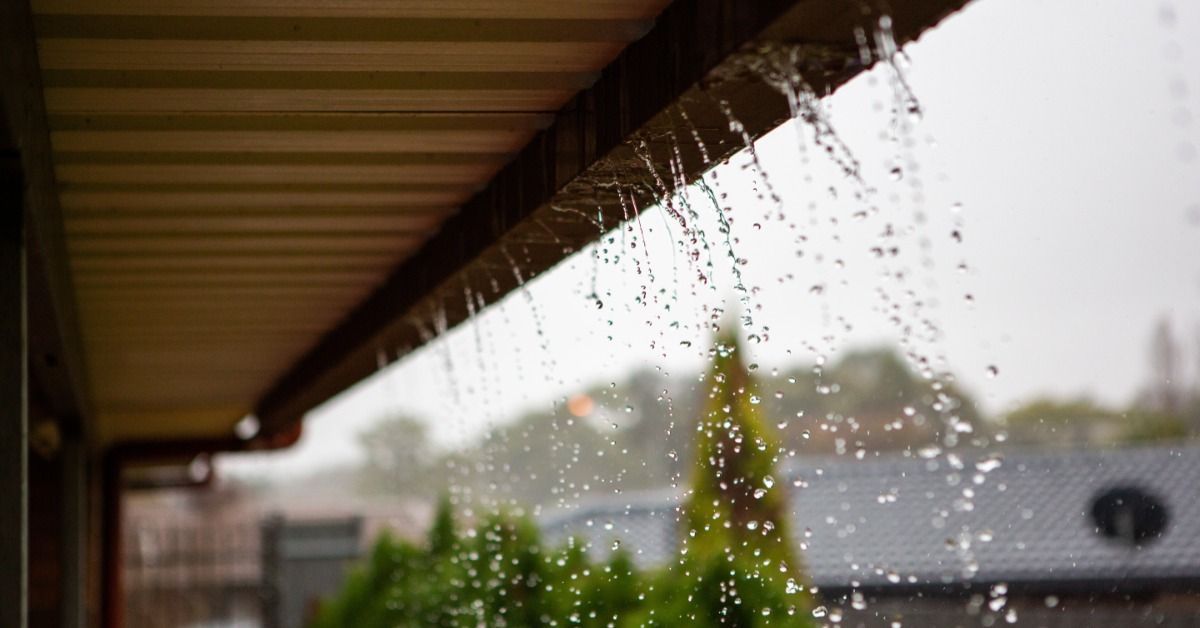
Rain tests every seam, edge, and penetration on a roof. Shingles, flashing, valleys, vents, and chimneys all need to direct water off the home quickly. When one area starts to fail, water may slip beneath the surface and soak materials before stains appear indoors.
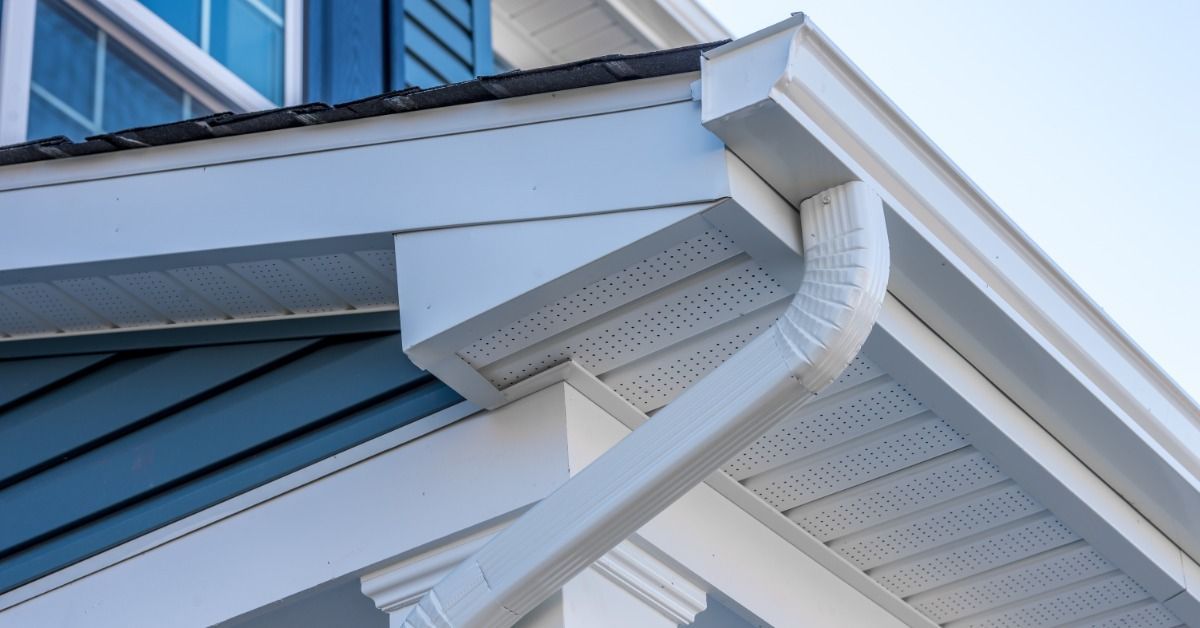
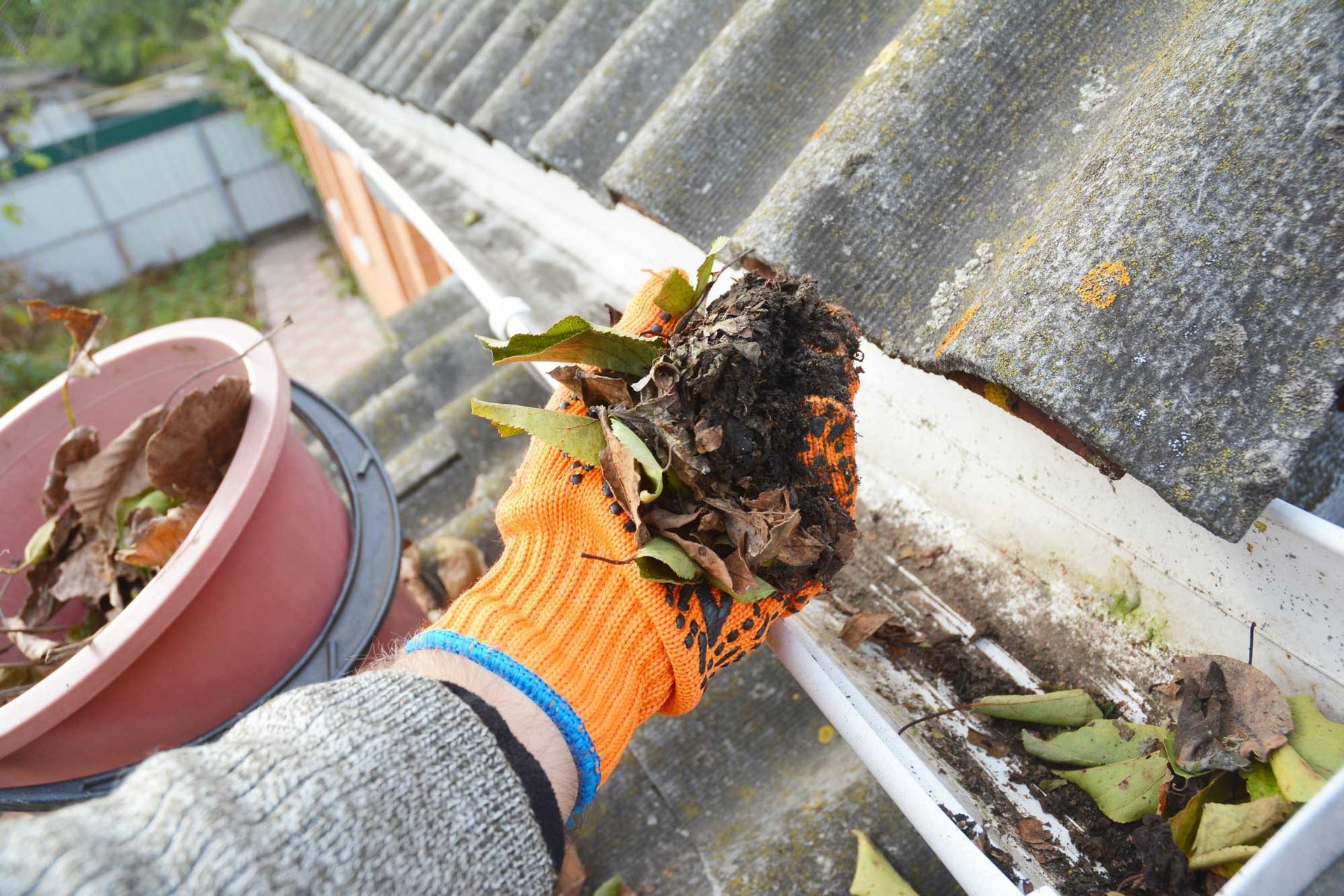
Repeated rain also exposes drainage problems that dry weather hides. Clogged gutters, slow downspouts, and low spots cause water to pool. Over time, that lingering moisture wears at materials and raises the risk of rot, mold, and soft decking.
Snow and Ice Stress
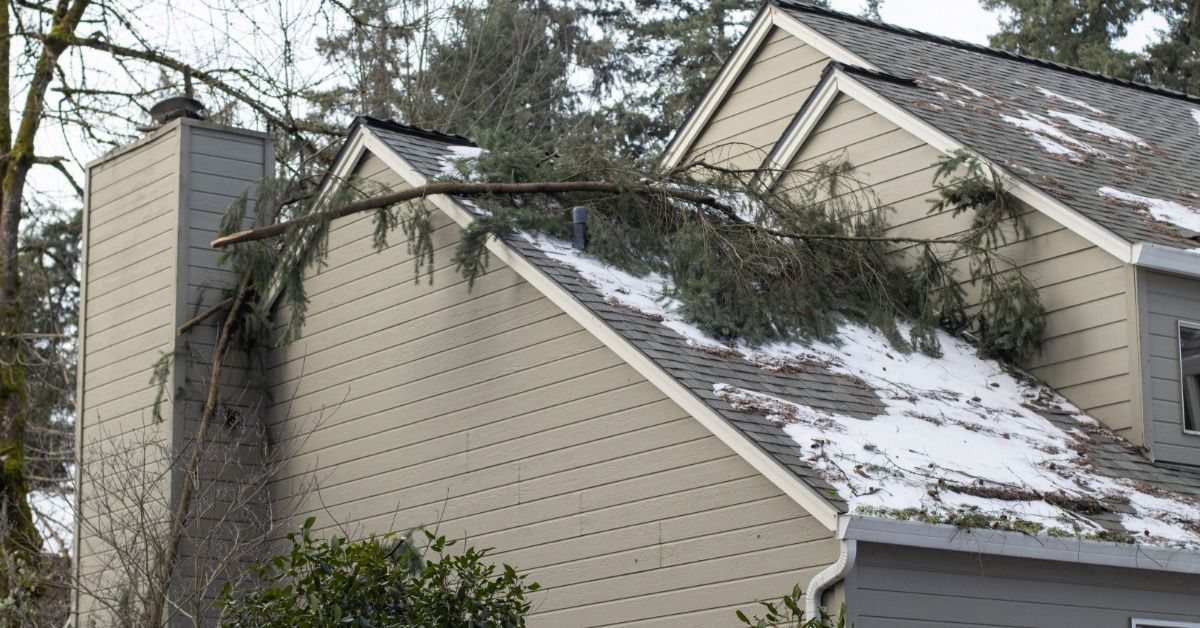
Roof problems caused by snow usually stem from increased weight, meltwater, and freezing temperatures over days or weeks. In northern climates, those repeated cycles put steady strain on shingles, flashing, and the roof edge.
Ice adds another layer of stress by slowing drainage. Melted snow may refreeze near the eaves, trapping water behind the ice and allowing it to move under the shingles.
Ice Dams Explained
When snow melts on a warm part of the roof and then refreezes at a colder edge, it forms an ice dam. That ridge of ice blocks runoff and pushes water back up the slope. Better insulation and ventilation help minimize the temperature differences that feed this cycle.
Damaging Wind
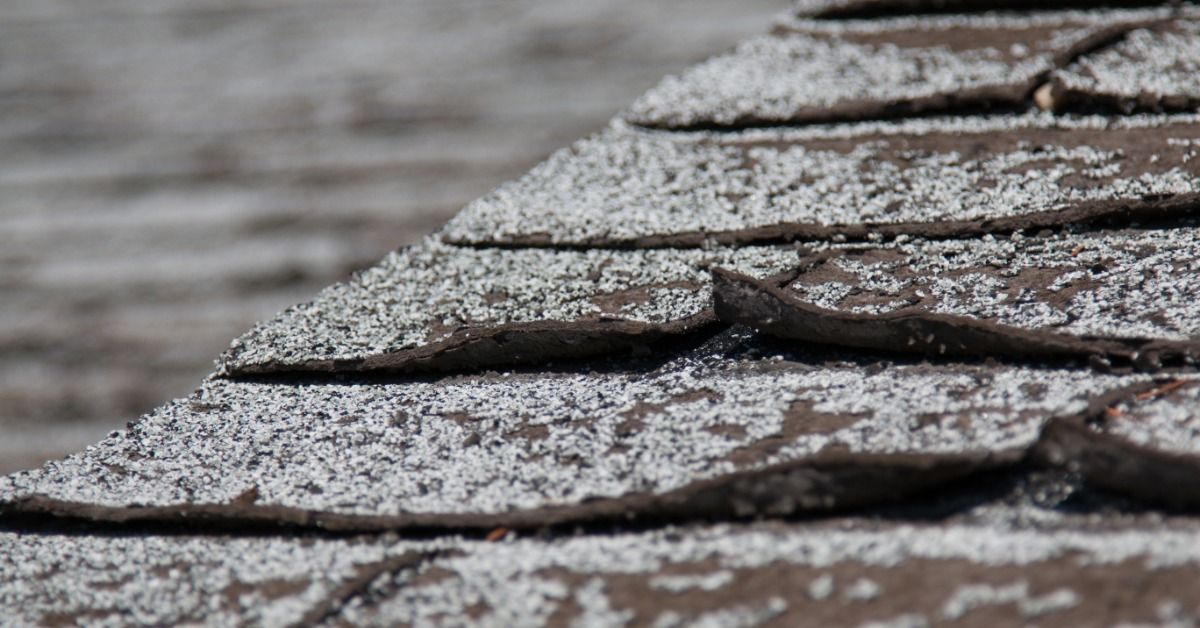
Strong gusts can loosen shingle edges, break the seal that holds them in place, and expose more of the roof to the next storm. Even moderate damage leaves the roof more vulnerable. A few lifted tabs or missing granules may seem minor, but those weak spots leave the roof more exposed to rain and snow.
Strong winds can cause several types of roof damage, including:
- Missing shingles.
- Raised or curling shingle corners.
- Creased, bent, or folded shingle tabs.
- Loose flashing along roof edges.
- Granules washed into the gutters.
Humidity and Algae
In warm, damp conditions, moisture supports algal growth that appears as dark streaks on shingles. Algae does not automatically mean the roof is failing, but it does indicate that moisture lingers long enough for growth to thrive.
Shade, poor drainage, and humid weather all make that issue worse. Moreover, dark streaking can hide early wear and make it harder to quickly spot other issues. Some roof discoloration is mostly cosmetic, while other staining points to trapped moisture, clogged drainage, or debris buildup. A contractor can tell the difference by checking the shingles, gutters, valleys, and the condition of the attic.
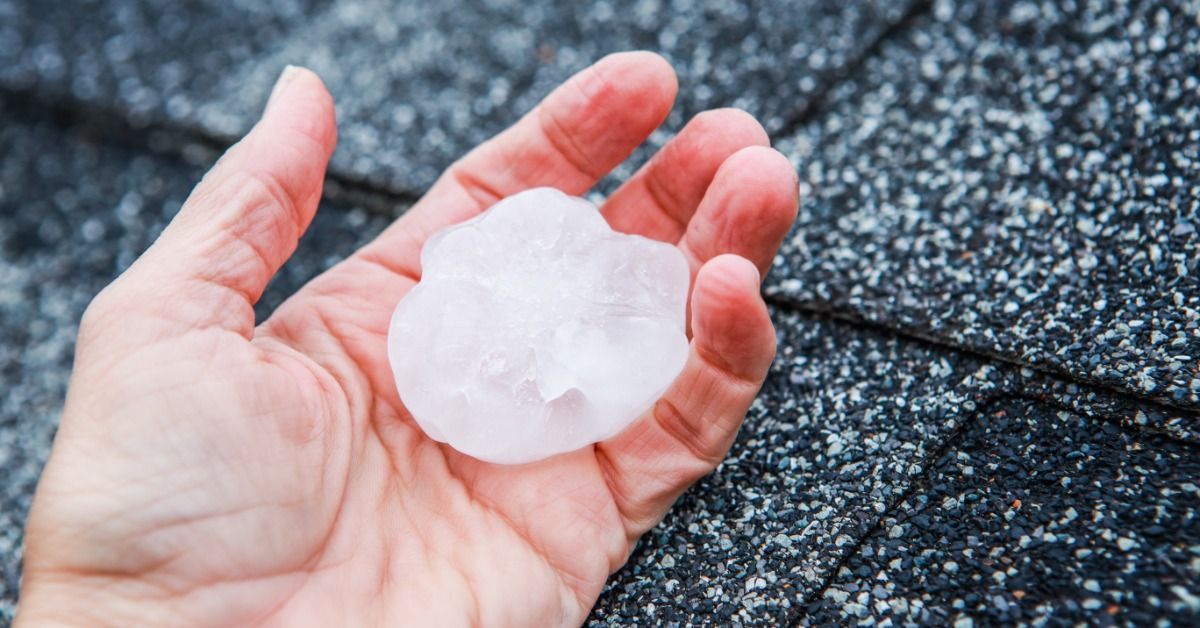
Hail Impact
Hail can bruise or fracture shingles. Older roofs usually fare worse because worn materials do not absorb impact as well as newer ones. That means even smaller hailstones may leave behind damage that deserves a closer look.
Impact damage may knock off protective granules and weaken the shingle surface. Once that outer layer loses material, sunlight and moisture have an easier path into the roof system. Consequently, hail damage may keep aging a roof long after the storm itself passes.
Freeze-Thaw Cycles
A roof in a cold climate experiences constant movement during shoulder seasons and winter warm-ups. Water slips into tiny gaps, temperatures drop, and that water freezes and expands. Once this pattern repeats, small cracks and weak seams may grow into bigger repair issues.
Sealants and flashing feel that stress too. One day of thawing, followed by a sharp overnight freeze, puts pressure on joints already exposed to wind, snow, and rain. Freeze-thaw wear tends to build quietly, which makes routine inspections especially useful after winter.
When To Get Roof Checkups
Roof trouble rarely starts with a single major failure. More commonly, several smaller weather-related issues stack up until the roof loses reliability. A smart maintenance plan helps homeowners catch those changes before repairs become too costly.
To maintain your roof:
- Schedule a checkup in the spring to look for damage left behind by snow, ice, and freeze-thaw cycles.
- Get a roof inspection in the fall so the roof is in better shape heading into winter weather.
- Book a checkup after a major windstorm to catch lifted shingles, loose flashing, or other visible damage.
- Have the roof inspected after a hailstorm because impact damage is not always easy to spot from the ground.
- Set up an inspection after heavy rain if you notice leaks, stains, or signs of drainage problems.
Don’t Delay Inspections and Repairs
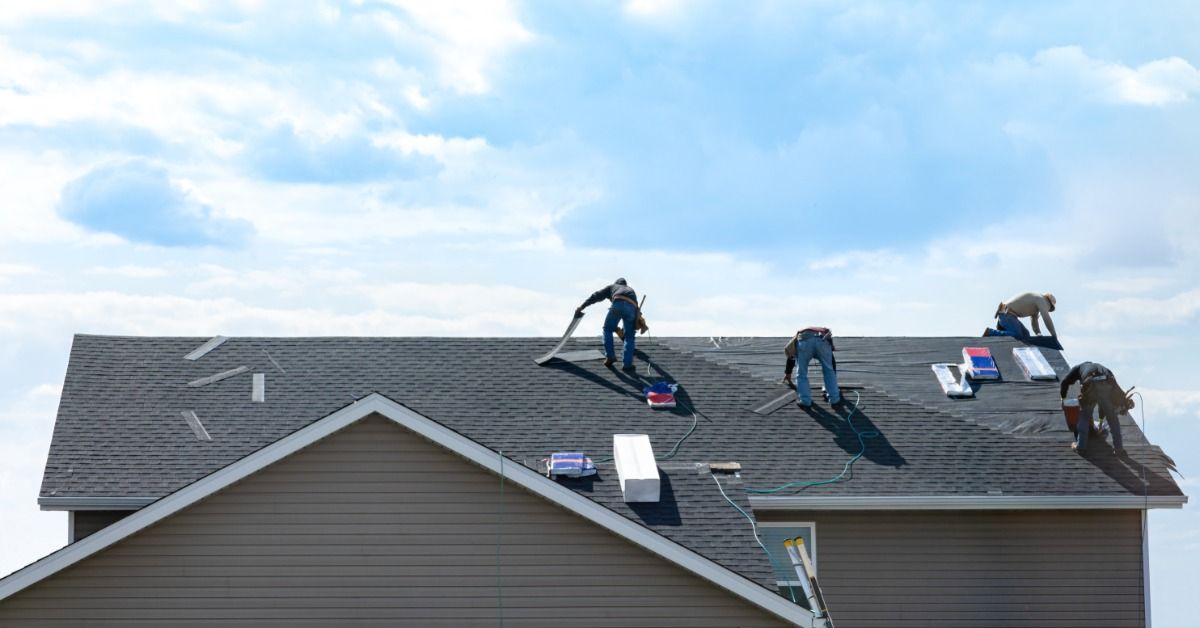
Each type of weather puts stress on roofing materials differently, and that wear adds up across the seasons. Over time, the combined impact affects how long a roof stays reliable. Regular inspections catch those changes as soon as possible, while timely repairs keep small problems from becoming more extensive. Leon Construction’s residential roofing services include inspecting shingles, flashing, roof edges, drainage areas, and other components. Our contractors repair and replace roofs to keep protecting the home and to hold up better over time.