How Can a Roofing Company Reduce Your Energy Consumption?
March 21, 2020
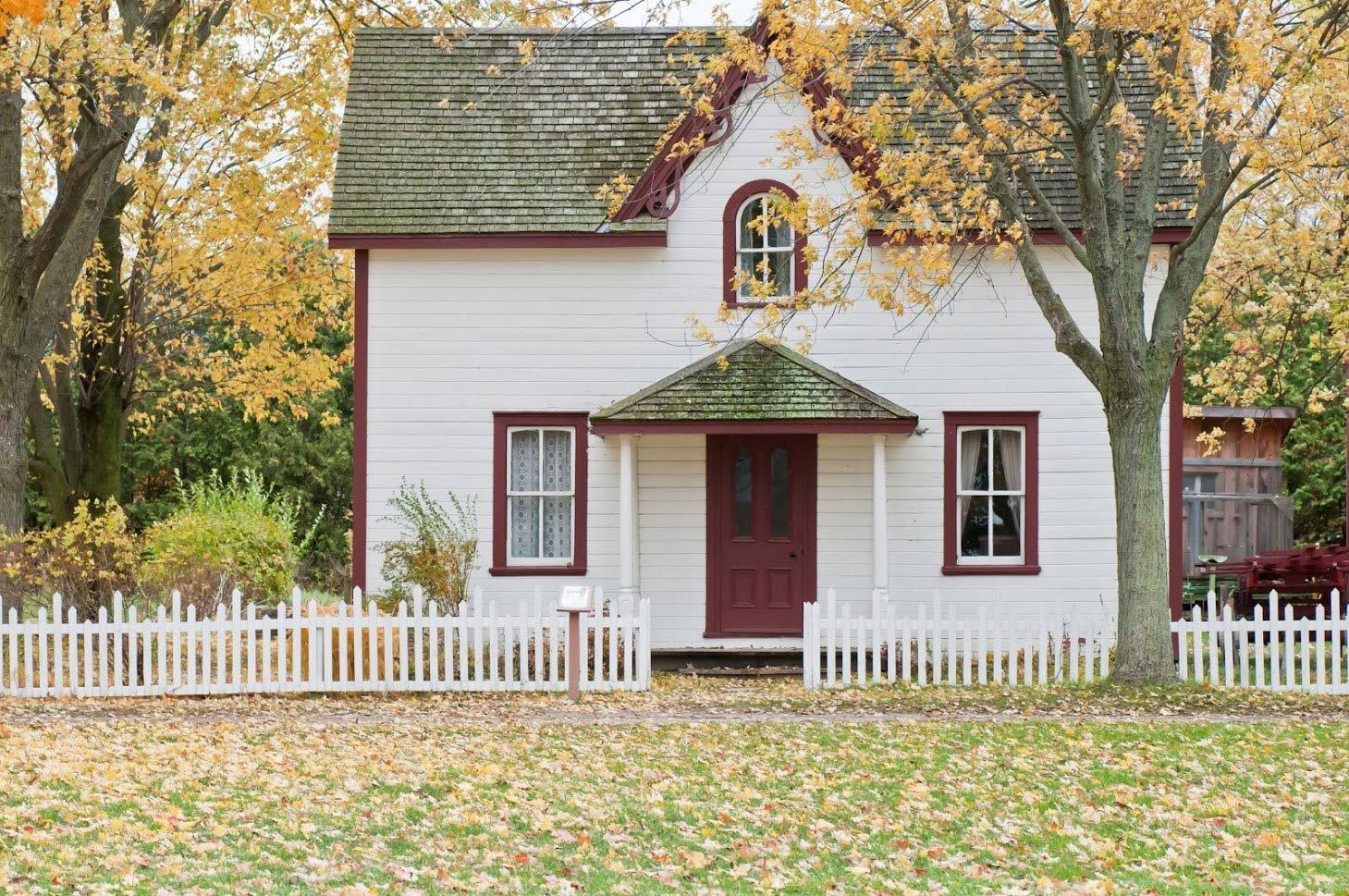
A white house with a red door and a white picket fence surrounding it.

If your energy bills keep rising, and you have been neglecting your roof, the two may be related. Especially in the colder months, a bad roof can allow heated air inside the house to float up and out, causing you to turn up the heat. If you are sick of high energy bills, check out how a new roof may help save you money.


Roofers Can Fix Holes and Gaps


One reason your roof raises your energy bills is because of gaps. Small holes and gaps in the roof provide no protection against heat loss/heat gain. Therefore, during the summer, heated air leaks inside the cooled house, and in the winter, heated air inside the house escapes via these holes. These holes and gaps can appear anywhere in your home, but they are particularly problematic when on the roof.


The same factors that cause leaks can cause energy loss. This includes damaged shingles and the age of the roof, but a lot of holes and gaps appear around chimneys, skylights and vents. These areas require a literal hole in the roof. The hole is filled with the chimney/skylight/vent, and flashing is used to fully seal any gaps between the roof and chimney/skylight/vent.


When this flashing becomes worn or damaged, however, it no longer fully seals those gaps, allowing air to sneak into or out of the home. Any skilled roofer can easily fix damaged shingles and flashing to boost the insulating properties of the roof.


They Use Energy-Efficient Materials


As technology advancements allow humans to create more and more energy-efficient materials, getting a new roof can help reduce energy consumption naturally. For example, asphalt shingles are great in any climate, but in a cold climate, darker colors are better to absorb as much natural heat as possible. On the other hand, in a hot climate, light colored shingles better reflect the sun to keep the house naturally cooler. 


Metal roofs are another highly energy-efficient material, and you can choose colors to better reflect or absorb the heat too. In most cases, however, metal roofs are ideal for keeping cooling costs down because of how well the metal reflects the sun.


They'll Inspect Your Attic


When you think of your roof, you may forget about one important aspect: the underside of the roof or the attic. You can have the most energy-efficient roofing material made, but if your attic is poorly insulated, you are just wasting energy.


The attic needs the most insulation because of its location. Ideally, you shouldn't even be able to see the rafters because the insulation should rise above them. Plus, you need to ensure you have the right R-Value for your region. The R-Value measures the amount of insulation in any given material.


In Pennsylvania, your attic roof insulation should have an R-Value of between R-38 and R-60. Luckily, increasing the R-Value is as easy as just adding more insulation to the old insulation. A skilled roofer can take a peek inside the attic and easily determine if you need more insulation.


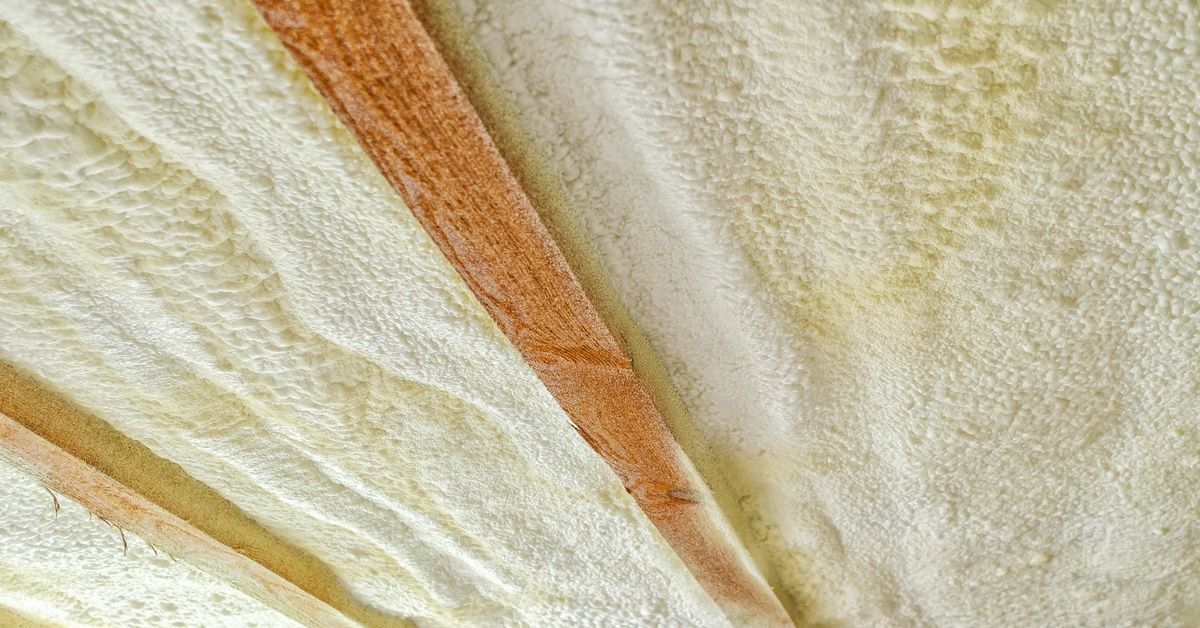
Common types of attic insulation include fiberglass batts and loose fill fiberglass. Loose fill fiberglass is easier to use if the attic is finished, and you need to add insulation behind walls and ceilings. Other types of insulation include cellulose, mineral wool and spray foam insulation.


With a well-maintained roof, you can actually reduce how much you spend each month on heating and cooling, making it a great investment for future savings. If you would like to know more about the benefits of getting a new roof, or if you are ready to request a quote, contact us at Leon Construction today.
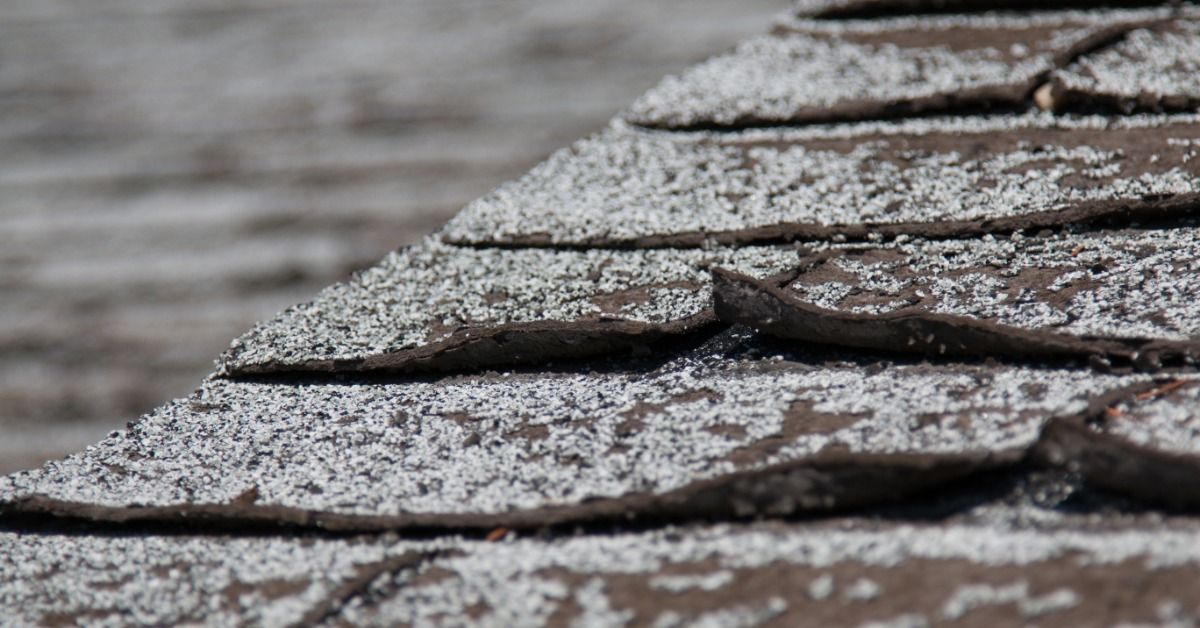

Close-up of brown asphalt shingles that are uneven, worn, and lifting.
May 7, 2026
Sun, moisture, and wind wear roofs down in different ways. Keep your system in shape with regular roof checkups and follow-up inspections after weather events.
A living room with a light-colored sofa and a potted plant. The floor features a herringbone-pattern
April 29, 2026
If your home has worn flooring, it may feel less clean, less safe, or outdated. Have new flooring installed to refresh the space and enhance your comfort.
April 22, 2026
Tired of puddles, overflow, or water near your foundation? This guide breaks down why K-style gutters are a popular choice for managing rainwater runoff.
A flat commercial rooftop has white roofing material and several HVAC units installed.
April 17, 2026
You want your business's roof to provide reliable protection for as long as possible. Look for these characteristics in a skilled commercial roofing contractor.
By Leon Kokhanevich April 14, 2026
A house that feels drafty in winter or stuffy in summer causes constant frustration. Many homeowners assume insulation is a simple upgrade, yet the work involves much more than filling empty spaces. For the best temperature regulation, energy efficiency, moisture control, and safety, insulation should always be installed by a professional. The right thermal protection keeps your home comfortable in all seasons. Installation Gaps Reduce Performance Insulation works best when it fully covers the intended area and fits properly around framing, wiring, and other obstacles. Small gaps may seem minor at first, yet they give heat an easy way to move in or out of the home. As a result, the material’s performance depends just as much on proper placement as on the product itself. Experienced installers understand where insulation jobs usually go wrong, particularly around corners, edges, and narrow spaces. Since compressed insulation does not perform as well, they avoid packing it too tightly or squeezing it where it does not fit. They also pay close attention to transitions between different areas of the home, so coverage stays consistent. As a result, the home feels more evenly comfortable from one space to the next. Hidden Hazards Make DIY Risky Many people picture insulation as a dusty weekend project. However, attics and crawl spaces may have tight access points, uneven footing, exposed wires, and low visibility, making the work harder than expected. A homeowner may walk into the space thinking the job will take a few hours, then realize the area has safety issues that were never obvious from below. Experienced insulation contractors know how to move through these spaces without damaging the home or putting themselves in danger. On top of that, they can recognize signs that another repair should happen first, such as roof leaks, damaged wiring, or moisture problems. Here are some of the hazards professionals check before starting insulation work:  Exposed wiring near insulation areas. Tight attic or crawl space access. Unstable surfaces between ceiling joists. Recessed fixtures that need clearance. Older materials that should not be disturbed.
Upward view of four workers installing a roof under a clear, blue sky.
April 7, 2026
The wrong roofing contractor can lead to stress, delays, and exorbitant costs. Before committing to anyone, use these tips to find a trustworthy company.
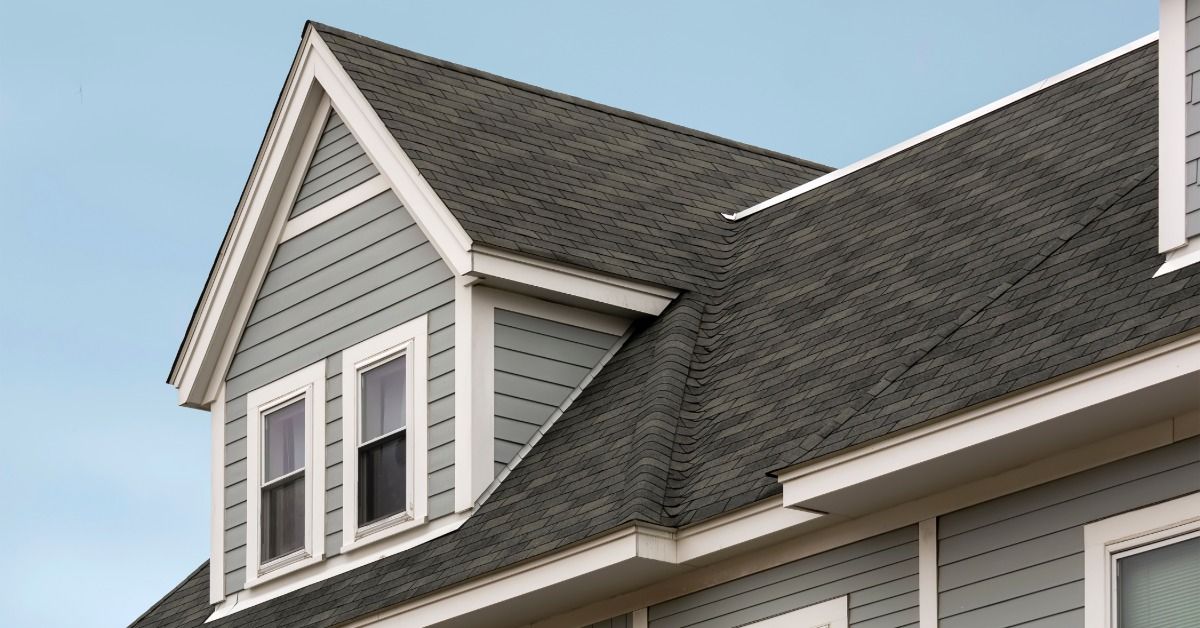
Upward view of the roof of a gray house with white trim. A dormer with two windows extends from it.
March 30, 2026
Roofing shingles differ in how they look, how long they last, and the value they offer over time. Compare your options with this convenient guide.
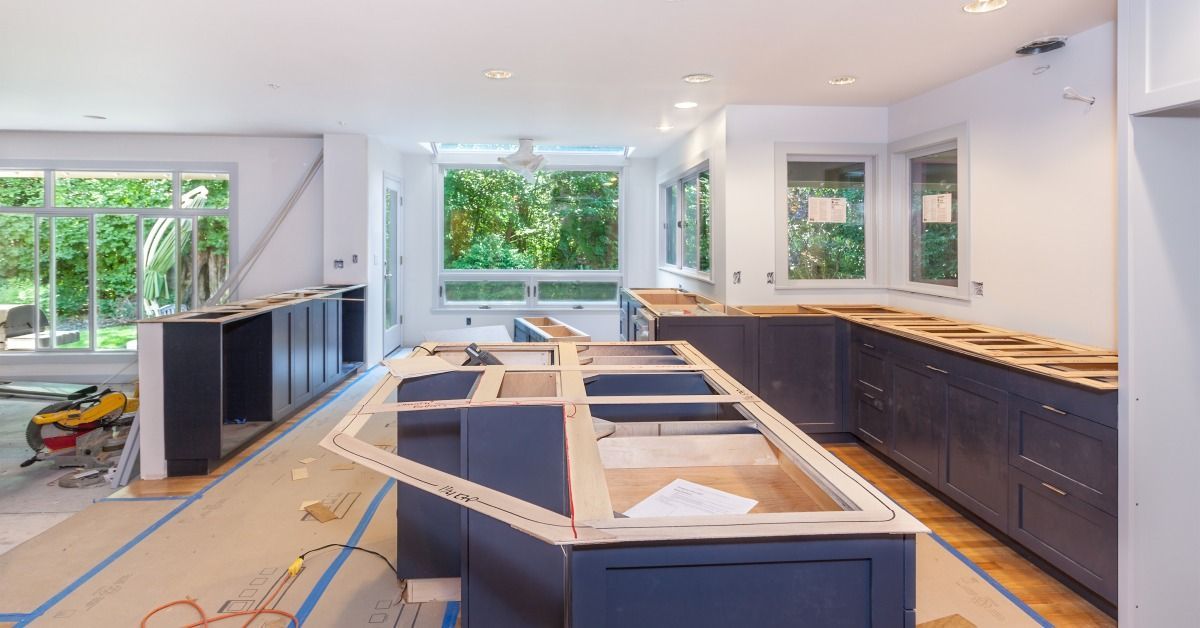
A kitchen under renovation with lower cabinets and a large island.
By Leon Kokhanevich March 18, 2026
Tired of rooms that feel cramped or outdated? Remodeling can make your home more practical and comfy with a new layout, better organization, and a fresh look.
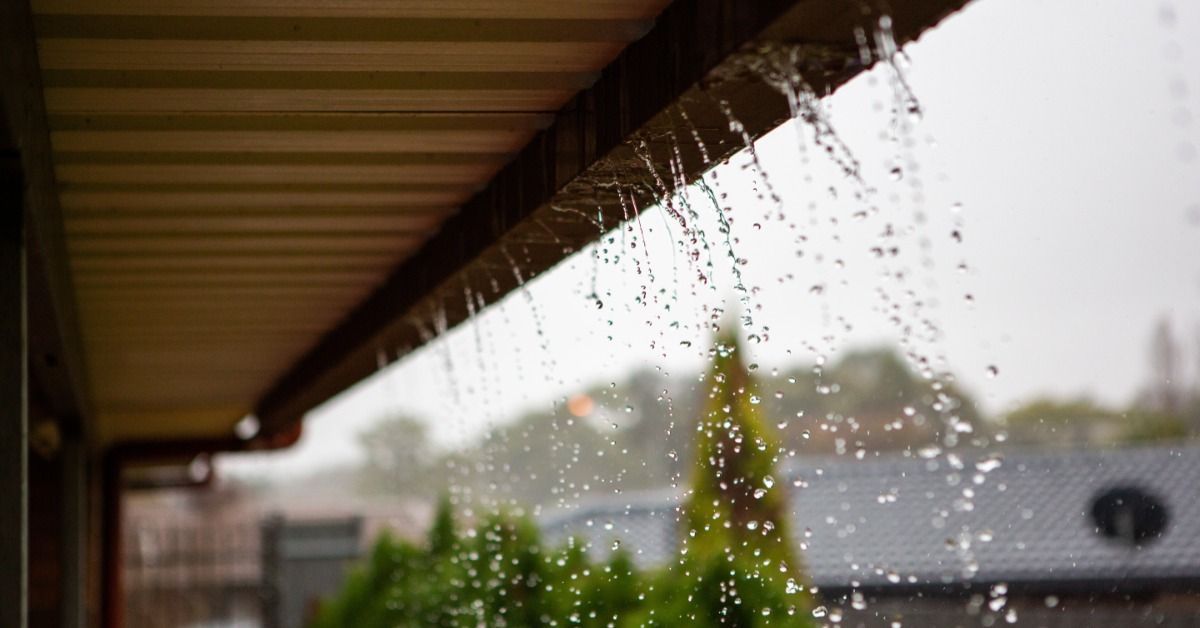
Water leaks from the underside of a roof gutter. The droplets fall in front of a blurred view.
March 10, 2026
Leaks, sagging sections, and overflow can indicate your gutters need repair or full replacement. Protect your home by addressing gutter problems ASAP.
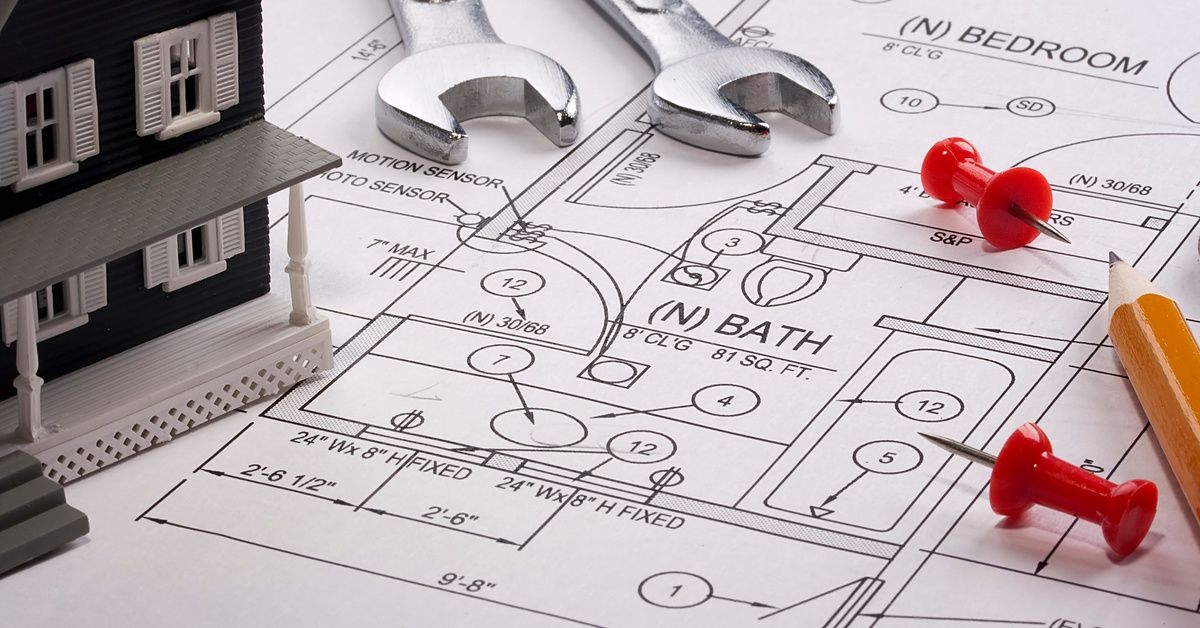
A miniature house model, wrenches, a pencil, and red push pins sit atop a 2D home floor plan of a be
March 2, 2026
Choose a house addition that improves flow, comfort, and daily routines. When your home feels smaller than your life, these ideas offer room to breathe.